 Xavier Radio Ug News 24 7
By Kabuye Ronald
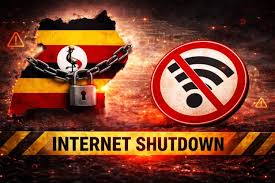
As President Yoweri Museveni secured a seventh term in the January 15, 2026 general election, Uganda’s business community found itself navigating a different kind of fallout: a nationwide internet shutdown that disrupted trade, stalled digital payments, and exposed the fragility of a rapidly digitising economy.
The blackout, ordered by the Uganda Communications Commission (UCC) days before polling, lasted nearly four days and was only partially lifted after results were announced. While authorities defended the move as necessary to curb misinformation and maintain public order, the National Economy and Traders Association (NETA) Uganda says the decision came at a steep cost to commerce, particularly in Kampala.
In an exclusive interview, NETA Uganda National Chairman Dr. Thadeus Musoke Nagenda described the internet as “no longer a luxury, but a basic utility — as essential as electricity” for modern trade.
“Mobile money platforms such as MTN Mobile Money and Airtel Money process hundreds of billions of shillings daily,” Musoke said. “When the internet was switched off, the flow of money stopped. That instantly froze business across both the formal and informal sectors.”
According to fintech industry estimates cited by NETA Uganda, the shutdown halted up to 40 percent of daily digital transactions, costing businesses and payment service providers billions of shillings over the affected period. Traders dependent on fast turnover and constant cash flow — including market vendors, boda boda operators, and small retailers — were among the hardest hit.
App-based services also suffered sharp declines. Ride-hailing platforms struggled as drivers and customers lost access to dispatch systems, while online marketplaces went silent. Small-scale entrepreneurs who rely on social media to market goods were unable to post products, receive orders, or coordinate deliveries.
Dr. Musoke noted that tech startups were particularly vulnerable. “Frequent online communication with clients, cloud-based systems, and remote collaboration all ground to a halt,” he said, raising concerns about business continuity and preparedness for future election cycles.
The impact extended beyond small traders. Larger firms reported delays in digital supply-chain coordination, invoicing, and regulatory compliance. Manufacturing and service companies that depend on internet-enabled inventory and customer management systems faced slowed production, delayed orders, and the risk of contractual penalties — effects that may linger long after connectivity is restored.
NETA Uganda has warned that repeated internet shutdowns risk undermining investor confidence and slowing the growth of Uganda’s digital economy, especially as neighboring countries accelerate technology adoption and innovation.
By January 18, authorities restored basic internet access to allow businesses to resume operations, though many social media and messaging platforms remain restricted. The UCC says the phased reopening is intended to balance security concerns with economic activity. However, traders argue that continued limitations still hamper marketing, customer engagement, and full economic recovery.
“As NETA Uganda, we are calling for dialogue,” Musoke said. “Safeguarding national security should not come at the expense of livelihoods. Uganda’s economy now runs online — and policy decisions must reflect that reality.”