 Xavier Radio Ug News 24 7
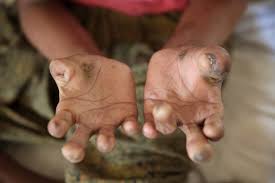
By Amiri Wabusimba. Each year, World Leprosy Day is observed globally on the last Sunday of January and this 2026 on 25 January Uganda invited the international community to reflect on a disease that medicine has largely mastered but society has not. The 2026 theme, “Leprosy is curable; the real challenge is stigma,” captured a paradox that continues to shape global public health outcomes: while scientific advances have rendered leprosy fully treatable, social perceptions still delay diagnosis, deepen disability, and undermine elimination efforts.
Leprosy, clinically referred to as Hansen’s disease, is a chronic infectious condition caused by Mycobacterium leprae. It primarily affects the skin, peripheral nerves, eyes, and upper respiratory tract. The disease progresses slowly and, when untreated, may result in nerve damage, sensory loss, muscle weakness, and visible deformities. These outcomes, often misinterpreted as inevitable or contagious, have historically fueled fear and social exclusion. Yet modern medical evidence contradicts these assumptions. Leprosy is not highly contagious, does not spread through casual contact, and is entirely curable with timely treatment.
Despite this, stigma remains deeply entrenched across regions and cultures, Misconceptions ranging from beliefs that leprosy is caused by sin or curses to assumptions that it has no cure continue to influence how individuals are treated by families, communities, employers, and even health systems. For those diagnosed, stigma frequently becomes a more enduring burden than the disease itself, leading to delayed care-seeking, psychological distress, and long-term socio-economic marginalization.
From a global health perspective, leprosy is now a low-incidence but high-impact disease. An estimated 200,000 new cases are reported worldwide each year, a figure that has remained relatively stable despite the availability of effective treatment. The long incubation period spanning several months to two decades complicates surveillance and obscures transmission pathways. Infection occurs primarily through prolonged, close contact with untreated individuals, via respiratory droplets, a mode of transmission comparable to tuberculosis. Crucially, once multidrug therapy begins, patients rapidly become non-infectious, rendering isolation and exclusion medically unjustifiable.
Clinical presentation varies depending on immune response, but early signs often include hypo-pigmented or reddish skin patches with reduced sensation, nerve thickening, and numbness. Neurological involvement may progress to muscle weakness, clawing of the hands, foot drop, or visual impairment if diagnosis is delayed. These disabilities are not inherent to leprosy itself; rather, they are indicators of health system gaps, late detection, and persistent stigma that discourages early intervention.
Diagnosis relies on clinical assessment supported by laboratory confirmation, including skin smears, biopsies, or molecular testing. Treatment through World Health Organization-recommended multidrug therapy is provided free of charge in many countries and has proven highly effective. Preventive strategies, such as early case detection, contact tracing, chemoprophylaxis with rifampicin, and Bacillus Calmette–Guérin vaccination at birth, further reduce transmission risk. Yet none of these tools can achieve full impact in environments where fear and misinformation dominate public discourse.
Uganda’s experience offers a valuable case study in balancing biomedical progress with social transformation. Leprosy is targeted for elimination under the country’s Zero Leprosy Roadmap 2022–2030, which aims to achieve zero transmission, zero disability, and zero stigma by 2030. Through strengthened surveillance, community engagement, and health worker capacity building, the number of districts reporting leprosy cases declined significantly between 2022 and 2024, alongside a marked reduction in new and relapse cases by 2025. The epidemiological concentration of cases in specific regions and age groups underscores the importance of targeted, data-driven interventions rather than generalized responses. However, Uganda’s progress also illustrates a broader global lesson: elimination is not solely a technical milestone but a social one. As incidence declines, stigma often becomes more pronounced, reinforcing silence and invisibility around the disease. This dynamic risks sustaining transmission among marginalized populations and undermines global commitments to equity, universal health coverage, and human rights.
World Leprosy Day 2026 therefore carried significance beyond commemoration, it is a strategic moment to recalibrate global narratives around neglected tropical diseases, emphasizing dignity alongside diagnosis and inclusion alongside intervention. Ending leprosy requires more than sustained funding and clinical guidelines; it demands informed public dialogue, ethical media representation, and policies that center the lived experiences of affected individuals. Leprosy today is not a test of medical capability but of collective resolve. The persistence of stigma in the face of curative treatment reflects a broader challenge confronting global health governance: the gap between scientific progress and social acceptance. Bridging this gap is essential not only for eliminating leprosy, but for advancing a more just and informed global health order.
Amiri Wabusimba is a communication specialist, diplomatic Scholar, Public Health Advocator, Journalist, political analyst and Human Right activist. Tel: +256775103895 email: Wabusimbaa@gmail.com
Related