 Xavier Radio Ug News 24 7
By Kabuye Ronald
The Forum for Democratic Change (FDC) has rejected the outcome of Uganda’s 2026 presidential elections, describing the polls as deeply flawed and unreflective of the will of the Ugandan people.
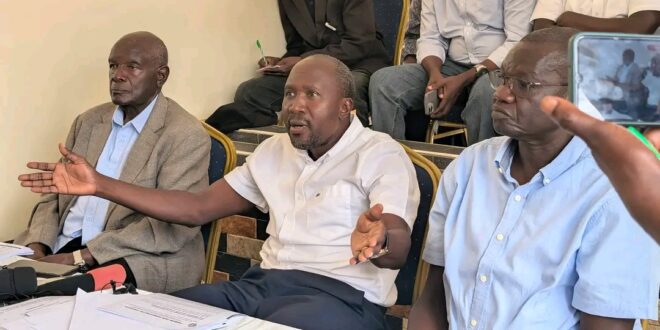
In a post-election statement issued on Thursday, Nathan Nandala Mafabi, FDC Presidential Flagbearer and Secretary General, thanked Ugandans who turned out to vote on January 15, 2026, praising their “patience and determination in the face of adversity.� He also expressed gratitude to supporters who voted for its presidential, parliamentary and local government candidates across the country.
However, Nandala Mafabi said the elections were marred by widespread violence, intimidation and electoral malpractice, accusing state security agencies and the Electoral Commission (EC) of colluding to favor the ruling National Resistance Movement (NRM) and President Yoweri Kaguta Museveni, who has now secured a seventh term in office.
According to results announced by the EC, President Museveni won the election with 7,944,772 votes, representing 71.65 percent of the total vote. National Unity Platform (NUP) leader Robert Kyagulanyi Ssentamu garnered 2,741,238 votes (24.72 percent), while FDC presidential candidate Nathan Nandala Mafabi received 209,039 votes, translating to 1.88 percent.
The Electoral Commission reported a voter turnout of 52.5 percent, with 11,366,201 Ugandans casting ballots. More than 10 million registered voters did not participate.
FDC disputed the credibility of the entire electoral process, stating that elections “were merely a ritual to legitimize� President Museveni’s continued stay in power. The party cited post-election violence that it says resulted in the deaths of opposition supporters, mass arrests, and the deployment of security forces in opposition strongholds, where tear gas and live ammunition were allegedly used to disperse protesters.
The party further alleged that its campaign activities were violently disrupted by the army, police and intelligence agencies. Mafabi said he was attacked in Amudat and Moroto, blocked from holding rallies in Kagadi, and subjected to tear gas and live bullets in Kasubi-Lubaga, Kasese and other areas.
FDC also accused the EC of presiding over massive ballot stuffing, falsification of results at district and national tally centers, and deliberate malfunctioning of biometric voter identification machines. The machines, procured at a reported cost of about Ush250 billion, allegedly failed in most polling stations, delaying voting until midday or later and disenfranchising many voters.
Nandala Mafabi criticized the January 13 internet shutdown, saying it crippled communication and mobile money transactions, making it difficult to coordinate election activities and pay polling agents.
Other concerns raised included voter bribery by the ruling party, militarization of the electoral process in several districts, harassment and expulsion of opposition polling agents, and the disqualification of parliamentary aspirants, which resulted in at least 17 NRM candidates being declared unopposed.
FDC noted that its concerns were echoed by the African Union Election Observer Mission led by former Nigerian President Goodluck Jonathan. The AU report questioned the fairness of the elections, citing the internet shutdown, deployment of the military, arrests of opposition supporters, and unequal access to media for opposition parties.
Based on these developments, FDC said it rejects the presidential election results “in totality� and called for the immediate resignation and reconstitution of the Justice Simon Byabakama-led Electoral Commission. The party also pledged to support parliamentary and local government candidates who file election petitions once results are gazetted.
FDC further urged the government to implement long-standing Supreme Court recommendations on electoral reforms, release all political prisoners, and regulate campaign financing.
Despite winning only nine parliamentary seats, the party said it would continue its “pro-people struggle,� rebuild its structures ahead of a 2028 National Delegates Conference, and remain open to cooperation with other pro-democracy groups.
“We stand with Ugandans in demanding transparency, accountability, and justice,� the statement concluded. “The struggle for a free, fair, and democratic Uganda will continue.� Said Nathan Nandala Mafabi, FDC Presidential Flagbearer and Secretary General.