 Xavier Radio Ug News 24 7
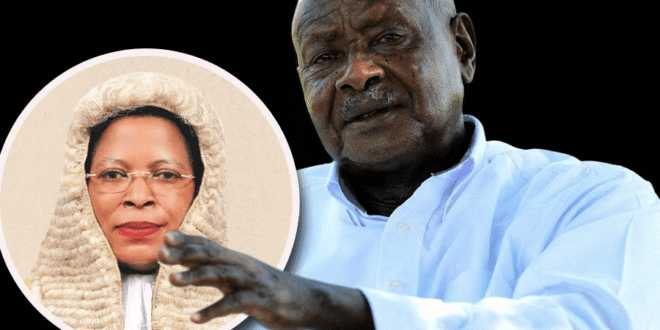
Uganda’s Closed System: How Museveni Engineered Power to Be PermanentFor nearly four decades, Uganda has been ruled by one man: Yoweri Kaguta Museveni, who took power in 1986 after a five-year guerrilla war. What began as a reformist promise of democracy has hardened into one of Africa’s most entrenched political systems.Uganda today is not governed by competitive politics. It is governed by a security architecture built to prevent political change.From Reform to PermanenceWhen Museveni came to power, he argued that Africa’s problem was leaders who overstayed. In 1986, he famously said:“The problem of Africa in general and Uganda in particular is not the people but leaders who want to overstay in power.”Yet over time, Museveni dismantled the very legal barriers that would have removed him.Key constitutional changes:2005: Presidential term limits removed2017: Presidential age limits removedResult: Museveni can run indefinitelyDuring the age-limit debate, Museveni told supporters:“I am not a servant of the Constitution. The Constitution is for the people.”That moment marked a turning point: the law was no longer a limit on power, but a tool of it.Power Is Secured by the GunUganda’s real power lies not in parliament or courts, but in the Uganda People’s Defence Forces (UPDF) and elite security units.Museveni has placed:His son, Muhoozi Kainerugaba, in command of elite forcesFormer bush-war comrades in top army and intelligence rolesLoyalists in police, prisons, and internal securityThe result is a personalized security state.According to the International Crisis Group:“The Ugandan military is no longer simply a national army; it has become a central political actor whose loyalty is tied to the president personally.”This structure ensures that elections can be managed, protests suppressed, and court rulings ignored when necessary.Elections Without ChangeUganda holds regular elections, but international observers consistently describe them as unfair.After the 2021 election, the European Union Election Observation Mission concluded:“The electoral process was marred by widespread use of excessive force, arbitrary arrests, and severe restrictions on freedoms of assembly and expression.”Human Rights Watch reported:“Security forces killed, abducted, and tortured opposition supporters. Media coverage was blocked and the internet shut down.”Museveni won with 58.6%. Bobi Wine disputed the result and was placed under house arrest.The message was clear:Voting is permitted. Changing power is not.Criminalizing OppositionOpposition figures in Uganda are not merely challenged at the ballot box — they are criminalized.Dr. Kizza Besigye, Museveni’s former ally turned rival, has been:Arrested more than 30 timesTried in military and civilian courtsPlaced under house arrest repeatedlyAmnesty International notes:“Uganda uses the justice system as a tool of political control rather than accountability.”Bobi Wine’s party has faced:Banned ralliesArrested organizersMilitary raids on campaign officesThe opposition is allowed to exist — but not to grow.Youth Without PowerUganda is one of the youngest countries in the world. About 78% of its population is under 30.Yet:Youth unemployment exceeds 60% by some estimatesProtest is treated as treasonDigital activism is monitoredThe World Bank warns:“Uganda’s demographic youth bulge is not translating into political or economic empowerment.”Large numbers do not automatically become political power when fear and poverty dominate daily life.Dynastic Succession in Plain SightMuseveni’s son, Muhoozi Kainerugaba, is not a hidden figure. He publicly tweets political threats, foreign policy positions, and succession hints.In 2022 he wrote:“It is not yet time, but the country knows who will protect it.”He commands the Special Forces Command, which guards:The presidentState HouseStrategic installationsAnalysts increasingly describe Uganda as moving toward hereditary rule.According to political scientist Prof. Michaela Wrong:“Uganda has evolved from a liberation movement into a family-centered security state.”A System Designed Not to LoseUganda’s power system now has four key features:Constitutional flexibility – Laws change to fit the rulerMilitary loyalty – Guns answer to family and history, not institutionsJudicial pressure – Courts issue rulings, but enforcement is selectiveManaged dissent – Opposition exists, but is tightly controlledFreedom House classifies Uganda as:“Not Free”, citing “entrenched rule, militarized politics, and suppression of opposition.”Conclusion: The Wall Around PowerUganda is not facing a simple leadership crisis. It is facing a structural lock.Elections alone cannot change a system where:The army answers to one familyThe constitution bends to one manProtest is treated as rebellionSuccession is already being rehearsedUntil those pillars change, political competition remains symbolic.Uganda’s future is therefore not just a question of who rules next, but whether rule can ever change at all.As Museveni once warned before becoming the system he criticizedpower that cannot be challenged becomes power that cannot be removed.
Related