 Xavier Radio Ug News 24 7
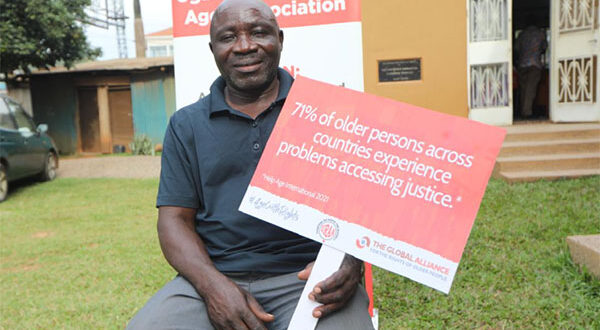
Kampala, Uganda | THE INDEPENDENT | The Uganda Reach the Aged Association (URAA) and several partners have called on the government to take immediate action to ensure the full, equal, and meaningful participation of older persons in the development and negotiation of a strong and ambitious UN Convention on the Rights of Older Persons.
“The development of a UN Convention on the Rights of Older Persons is a once-in-a-generation opportunity. Uganda can play a leadership role by ensuring that older persons are active participants, not passive subjects, in shaping this treaty,” an official said at a press briefing held early this month in Kampala.
Uganda Reach the Aged Association (URAA), Older Persons’ Associations (OPAs), Civil Society Organisations (CSOs), HelpAge Network members, and GAROP partners all argued that a convention, developed with older persons, will be stronger, more credible, and more effective in protecting rights across generations.
Uganda is experiencing a steady growth in its population of older persons, many of whom continue to face age-based discrimination, poverty, violence, neglect, and limited access to health care, social protection, justice, and participation in public life.
Officials said that while Uganda has made commendable progress through national policies and programs on ageing, significant protection gaps remain, particularly in the absence of a comprehensive international human rights instrument dedicated to older persons.
The ongoing United Nations process toward a legally binding convention on the rights of older persons presents a historic opportunity to close these gaps, URAA said in a statement.
The statement said that for this process to result in a strong, ambitious, and effective treaty, older persons must be enabled to participate fully, equally, and meaningfully in the drafting and negotiations at both national and international levels.
“URAA, together with OPAs, CSOs, and global partners including HelpAge International and the Global Alliance for the Rights of Older People (GAROP), calls upon the Government of Uganda to demonstrate leadership by institutionalising the participation of older persons in shaping Uganda’s positions and contributions to the UN treaty process.”
Officials said that older persons’ rights are currently protected only indirectly under existing international human rights treaties, giving an example of the Madrid International Plan of Action on Ageing and the African Charter on Ageing. These instruments do not sufficiently address ageism, multiple discrimination, long-term care, income security, access to health and social services, protection of rights to Land, emergencies, or participation in decision-making.
At the UN level, Member States are negotiating toward a new convention that explicitly affirms older persons as rights-holders. Consistent with the human rights principle of “Nothing About Us Without Us”, older persons’ participation is not optional—it is essential to the legitimacy, quality, and effectiveness of the treaty.
Officials said that Uganda, as a state party to major human rights treaties and a country with a growing ageing population, has both a moral responsibility and strategic interest in supporting an inclusive treaty-making process.
They stated that despite policy commitments, older persons and their organisations in Uganda face barriers to engagement in UN-related processes. These include limited access to timely and accessible information on international negotiations; financial and logistical constraints are preventing participation in consultations and delegations; inadequate institutionalised consultation mechanisms with OPAs; and limited representation of older persons’ voices within official government delegations.