 Xavier Radio Ug News 24 7
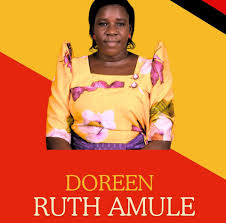
By Mukembo Wilfred
Amolatar’s political landscape has been left unsettled following claims that Uganda’s Ambassador to France, Amule Doreen Ruth, took an active and controversial role in campaigning against ruling National Resistance Movement (NRM) candidates during the January 15 and 22, 2026 general elections.
Instead of remaining focused on her diplomatic responsibilities abroad, Ambassador Amule returned to her home district of Amolatar, where she is accused of spearheading an aggressive campaign targeting NRM flag bearers. Her approach, marked by harsh rhetoric and alleged covert tactics, was aimed at discrediting party candidates and weakening their support on the ground.
The ambassador’s actions reportedly angered and disappointed many residents, with critics describing her involvement as an unprecedented assault on the district’s own political representation. Some voters believe the campaign derailed the prospects of experienced leaders who might have effectively served Amolatar in the 12th Parliament, ultimately tarnishing the district’s political image and reversing years of steady progress.
The controversy was further amplified by the district’s overwhelming loyalty to President Yoweri Museveni, who secured 88 percent of the vote in Amolatar. Despite this strong presidential support, the NRM failed to secure parliamentary and local government seats that would have advanced the party’s agenda at both national and district levels.
Among those defeated were high-profile NRM candidates, including Dr. Agness Atim Apea, the incumbent Woman Member of Parliament for Amolatar; Mr. Okodo Peter, who contested for Kioga North; Mr. Adupa Felix for Kioga County; and LCV aspirant Mr. James Auna. Many party supporters attribute these losses to a coordinated effort allegedly led by Ambassador Amule in partnership with opposition figures from the Uganda People’s Congress (UPC).
As preparations begin for the swearing-in of the newly elected Woman Member of Parliament in May 2026, a mood of second-guessing hangs over the district. Some voters are now questioning whether their choices replaced tested leadership with individuals whose competence and track records remain unclear.
Concerns have also been raised by reports of some NRM chairpersons openly backing UPC candidates, deepening fears about internal sabotage and divided loyalties within the party. For many residents, this has triggered anxiety over who genuinely represents the party’s interests and who merely wears its colors while working against it.
Feeling misled and politically exposed, sections of the community are grappling with what the election outcomes mean for Amolatar’s future. The episode has become a cautionary tale of shifting alliances, internal party conflicts, and the fragile balance between personal ambition and collective political responsibility in Uganda’s evolving democracy.

