 news TRUSTED NEW
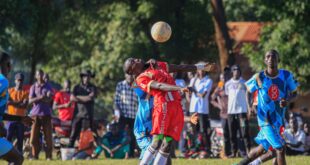
Kampala/Uganda-As the countdown to the 2026 Masaza Cup gathers momentum across the Buganda Kingdom, anticipation is once again building around one of Uganda’s most celebrated grassroots sporting spectacles. More than just a football competition, the Masaza Cup has over the years evolved into a symbol of identity, cultural pride, and community mobilization within Buganda and beyond.
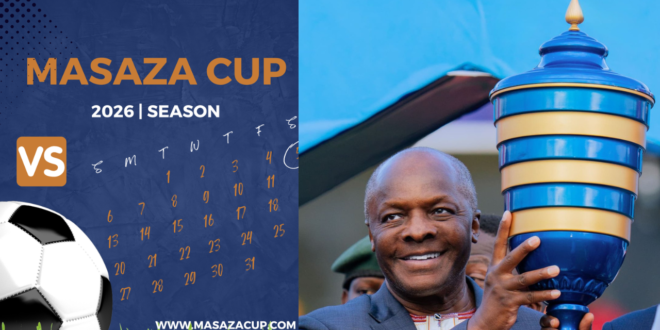
Since its establishment in 2004 by the Buganda Kingdom, the tournament has grown into a powerful platform for youth empowerment, talent development, and cultural unity. Over the years, it has also emerged as a vital bridge between sport and community diplomacy, bringing together local leaders, cultural institutions, businesses, and thousands of supporters under a shared sense of purpose. The 2026 edition officially begins on 13 June and will climax on 31 October 2026, according to the roadmap unveiled by the Masaza Cup Organising Committee (MCOC). The defending champions, Buweekula, will host the opening match in Mubende a privilege traditionally accorded to the reigning champions as a symbol of recognition and honour within the Buganda Kingdom. Yet beyond the excitement surrounding the new season lies a bigger question dominating conversations among football fans and county loyalists alike: can Buweekula achieve what no county has managed before successfully defend the Masaza Cup title?
A Tournament Rooted in Culture and Community
The Masaza Cup occupies a unique place within Uganda’s sporting landscape because it blends competitive football with cultural identity. Unlike conventional league football, each team represents a traditional county of Buganda, creating an emotional connection that transcends the game itself. The annual tournament attracts thousands of supporters from across the Kingdom and the Ugandan diaspora, with opening and closing ceremonies often graced by the Kabaka of Buganda, His Majesty Ronald Muwenda Mutebi II. The royal presence adds prestige and symbolism to the competition, reinforcing the Kingdom’s continued investment in youth development and cultural preservation.
Over the years, counties such as Gomba, Buddu, Mawokota, Ssingo, and Bulemeezi have established themselves as football powerhouses. Gomba remain the tournament’s most successful side with five titles, while Buddu and Bulemeezi have consistently appeared in the latter stages of the competition. The tournament has also served as a launching pad for national football talent. Several Uganda Cranes players, including Farouk Miya and Arafat Usama, first gained visibility through the Masaza Cup before progressing into professional football.
Buweekula’s Rise and the Weight of Expectation
Buweekula’s triumph in the 2025 season marked one of the most celebrated moments in recent tournament history. Their championship victory not only energized supporters in Mubende but also shifted the balance of competition heading into 2026. Now, as hosts of the opening fixture, expectations surrounding the county are immense. Within Buweekula itself, however, preparations have not been without challenges. Questions continue to emerge from sections of supporters regarding team organization, committee structures, and community coordination. Because the tournament is deeply community-driven, fans often view themselves not merely as spectators but as active stakeholders in the team’s success.
Across social spaces and local gatherings, discussions have increasingly focused on leadership, mobilization, and support systems ahead of the season opener. For many supporters, the concern is not simply about winning matches, but about ensuring that the county presents itself as united and competitive throughout the campaign. The pressure is intensified by history itself, since the tournament’s inception in 2004, no reigning champion has successfully defended the Masaza Cup trophy. Several champions have struggled in subsequent campaigns, with some even failing to progress beyond the group stages the following season. That reality now places Buweekula at the centre of one of the most compelling storylines of the 2026 competition. Will they break the long-standing pattern and establish a new era of dominance? Or will they follow the familiar path of champions who shine brightly one season only to fade in the next?
Football Beyond the Pitch
What makes the Masaza Cup remarkable is its ability to transform football into a broader social and economic event. Matchdays stimulate local businesses, transport networks, entertainment activities, and community gatherings. In many counties, preparations for the tournament begin months in advance, involving cultural leaders, sponsors, youth groups, and local organizers. Corporate support has also strengthened the tournament’s profile. Airtel Uganda remains a key sponsor, while Centenary Bank’s continued financial backing demonstrates growing confidence in the competition’s social and commercial value. The MCOC has confirmed that the 2026 season will run across 15 weekends, carefully scheduled to minimize clashes with major continental football competitions. Organizers believe this structure will sustain fan engagement while preserving the tournament’s festive atmosphere.
The Countdown Begins
As the official launch approaches on 13 June 2026, attention will now shift toward the group stage draws and fixture releases. Traditional giants such as Gomba, Buddu, Mawokota, Kyaggwe, and Ssingo are all expected to mount strong title challenges, setting the stage for another fiercely contested campaign. For now, however, the spotlight firmly remains on Buweekula, the opening whistle on 13 June will mark not just the beginning of another football season, but the continuation of a cultural tradition that has become deeply woven into Buganda’s social fabric. Whether Buweekula can defend their crown remains uncertain. But one thing is already clear: the 2026 Masaza Cup promises another unforgettable chapter in Uganda’s most celebrated grassroots football tournament.
Post navigation
Source link