News
CAO Ddamba Raises Alarm Over Accountability Gaps in Mukono District

Nagojje Sub County- The Chief Administrative Officer (CAO) of Mukono District, Henry Ddamba, has raised serious concerns over financial accountability gaps, inconsistent reporting, and the misuse of public funds during a support supervision visit to Namataba Town Council and Nagojje Sub-county.
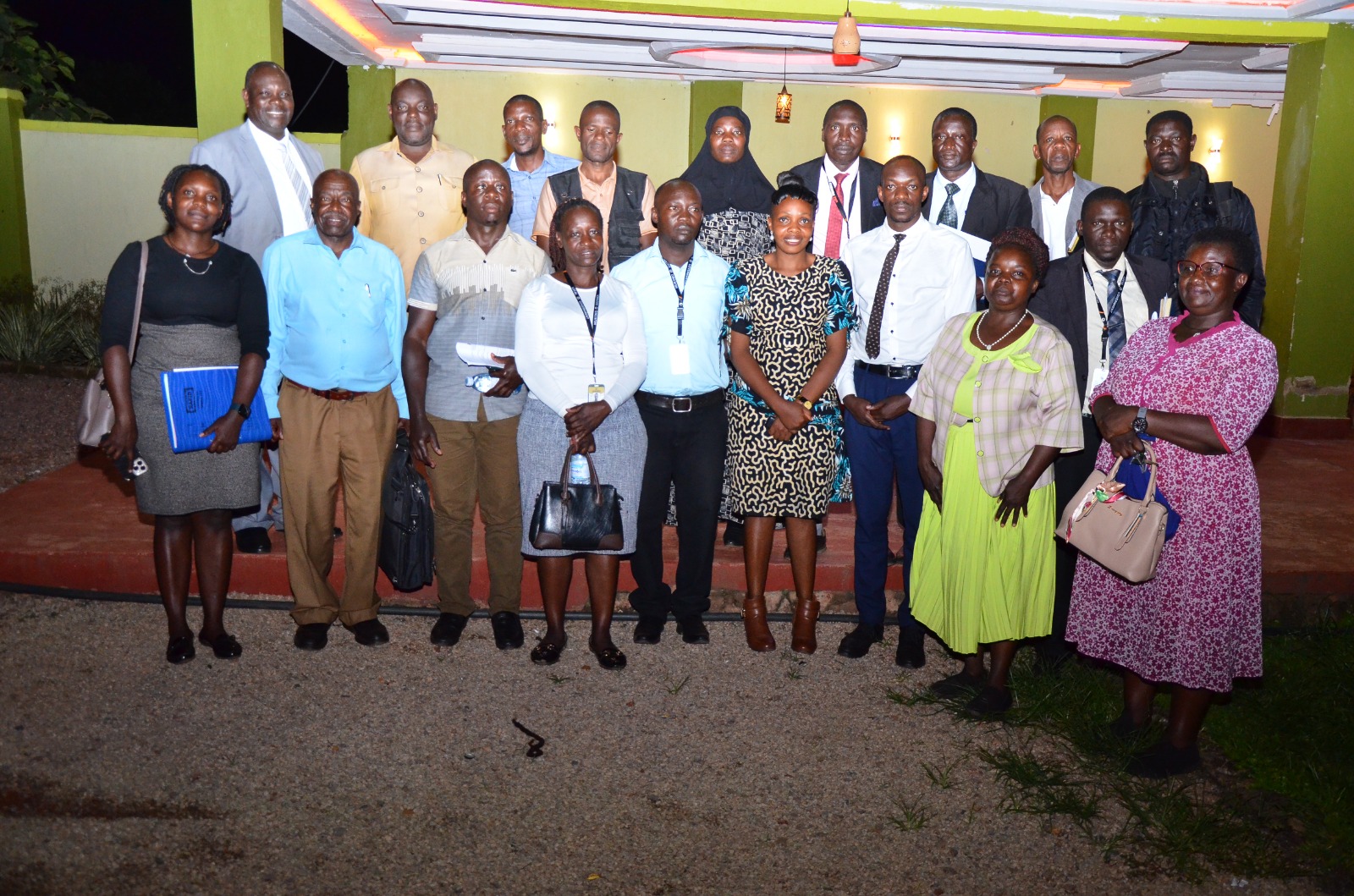
The visit, aimed at strengthening service delivery and enhancing transparency, focused on human resource management, implementation of government programs, and budget performance. Ddamba was accompanied by Principal Commercial Officer Kenneth Ntege and Finance and Revenue Officer Yasini Muwanga.
During the engagement, the district team met with technical staff, headteachers from government primary and secondary schools, health facility in-charges, and local political leaders.
Mr. Ddamba explained that the supervision exercise is part of a broader district initiative to assess service delivery and verify the government payroll. He noted that after four months without direct engagement, the exercise was crucial in confirming the presence of staff amid concerns about ghost workers.
Although time constraints limited inspection of ongoing projects, the CAO emphasized the importance of teamwork and coordination in achieving development goals.
He expressed concern over weak accountability practices, noting that while some officers submit timely and accurate reports, others fail to adequately account for public resources. He warned that poor record-keeping and weak data management undermine effective service delivery and erode public trust.
Local leaders raised concerns about the centralized management of locally generated revenue, which they said limits the town council’s ability to respond to urgent priorities such as road maintenance. Several roads in Namataba were reported to be in poor condition.
Leaders from Nagojje Sub-county described the area as hard-to-reach, citing challenges such as lack of staff accommodation, particularly for teachers who travel long distances, affecting performance and consistency.
They also highlighted gaps in education and health infrastructure, including the need for an additional secondary school and the absence of a nearby health facility. Other challenges included understaffing, lack of a town council headquarters, and inadequate infrastructure.
Namataba Town Clerk, Ms. Nabankema Joanita Pauline, pointed to the absence of administrative offices, limited access to primary education in some areas, and lack of health facilities as key challenges.
Nagojje Sub-county Chief, Ms. Najjuma Ruth, cited delays in grant releases, network issues affecting revenue systems, resistance to tax payment, and high poverty levels as major obstacles to effective service delivery.
Concerns were also raised about the Parish Development Model (PDM), particularly regarding misuse of funds and limited understanding among beneficiaries about repayment procedures. Leaders called for increased sensitization and stronger monitoring mechanisms.
In response, Mr. Ddamba reiterated that the PDM is intended to transition households from subsistence to a money economy, stressing the need for proper beneficiary selection and accountability.
To address financial management challenges, the CAO announced plans to introduce training in basic bookkeeping and financial literacy to strengthen accountability and improve auditing processes.
He also warned against indiscipline in public service, urging leaders to report absenteeism and avoid shielding non-performing staff. He emphasized that paying salaries to inactive employees undermines morale and efficiency.
Stakeholders called for stronger collaboration between district leadership, local authorities, and communities to bridge service delivery gaps and accelerate development.
The supervision visit highlighted both progress and persistent challenges in the area, with Ddamba reaffirming the district’s commitment to transparency, proper planning, and improved public service delivery.
