 Xavier Radio Ug News 24 7
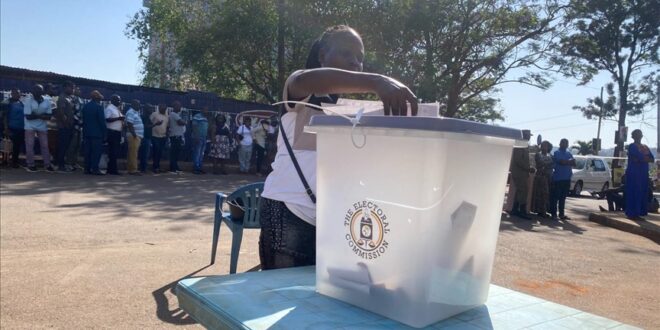
WESTERN UGANDA — As Uganda’s 2026 general elections draw near, several districts in the western region have descended into violence and controversy, with reports of attacks on candidates, assaults on journalists, and the arrest of election officials and supporters for alleged electoral offenses.
Isingiro District – Bukanga North:The race in Bukanga North has turned volatile, marked by a fierce contest between incumbent MP Nathan Byanyima of the National Resistance Movement (NRM) and independent challenger Tumuhimbise Julius. According to eyewitnesses, supporters of Byanyima launched attacks against rival campaign teams on Thursday, heightening tensions in an already divided constituency. No fatalities have been reported, but the violence underscores the high stakes in what is described as a “tight competition.”
Lyantonde District – Ryamizi Area:In Lyantonde, violence erupted in the Ryeihura area, where several journalists covering campaign events were reportedly brutalized and had their equipment confiscated. Media freedom advocates have condemned the incident, calling it a direct assault on press freedom and the integrity of electoral reporting. Police have yet to issue a detailed statement, but local sources indicate that the confrontation involved supporters of rival political factions.
Rwampara District:The situation in Rwampara has taken a dramatic institutional turn. Harriet Nakamya, the Resident District Commissioner (RDC), was briefly detained by police for several hours after allegedly attempting to openly support independent candidate Charles Ngabirano. RDCs are required by law to remain non-partisan in their official capacities. In a related development, two individuals attached to Ngabirano’s campaign were arrested in Rwampara East over accusations of ballot stuffing. Police say investigations are ongoing.
The pattern of unrest echoes growing concerns about electoral integrity and safety in the lead-up to the 2026 polls. Civil society organizations have repeatedly warned against the use of violence, intimidation, and state machinery to influence electoral outcomes.
“What we are seeing is not competition, but coercion,” said one observer from the Uganda Governance Monitoring Platform. “When journalists are attacked, officials are detained for taking sides, and supporters are arrested, it signals a breakdown in electoral ethics.”
The Electoral Commission has acknowledged “isolated incidents” but maintains that overall preparations remain on track. Opposition groups, however, argue that the violence is systematic and intended to disrupt fair campaigning in competitive areas.
As Uganda moves closer to 2026, these incidents in Isingiro, Lyantonde, and Rwampara serve as a stark reminder of the challenges facing the nation’s democratic process—where political rivalry too often spills into public disorder and institutional conflict.
Reporting contributed from the field.#UgandaDecides2026 #ElectionWatch
Related