 Xavier Radio Ug News 24 7
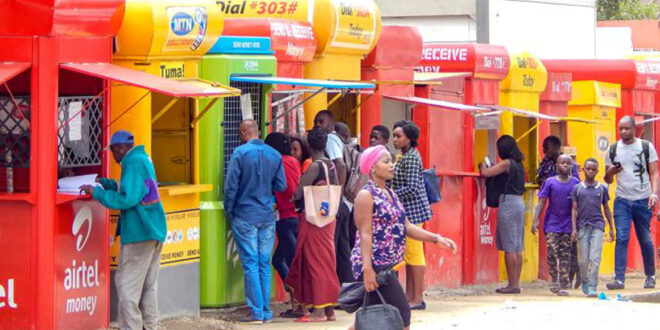
The festive season is a time of giving, celebration, and connection—and across Africa, it also marks the busiest period for mobile money transactions. In 2024, the continent processed an estimated $81 billion in mobile money payments, with transfers peaking in December as people send money back home and across borders. But as generosity rises, so do cyber-threats.
Phishing scams disguised as holiday promotions, SIM-swap attacks targeting high-balance accounts, and social-engineering schemes that exploit the urgency of festive giving are leaving millions vulnerable to financial loss.
“Trust in mobile money doesn’t happen instantly—it’s built one safe transaction at a time,” says Allan Juma, Cybersecurity Engineer at ESET Africa. “But a single fraud incident can shatter that trust overnight. Many users who fall victim to scams stop using mobile money altogether, and warn others to avoid it too. That ripple effect slows down digital financial progress for everyone.”
Part of the challenge is that many mobile money platforms have not kept pace with the rapid trust and usage they now receive. Unlike traditional banking apps, several services still rely on basic four-to-six-digit PINs and lack advanced encryption or authentication layers. These gaps create easy entry points for cybercriminals to intercept data, hijack accounts, or manipulate users.
Allan Juma, Cyber Security Engineer at ESET East Africa
“Closing these security gaps can’t wait, especially during the festive season,” Juma warns. “Mobile money becomes Africa’s lifeline at this time. Urban workers send money home, cross-border transfers surge, and cultural expectations around gift-giving increase urgency. Cybercriminals know this and move fast.”
He adds that tools like AI-driven fraud detection, multi-layer authentication, and real-time monitoring can drastically reduce attacks during the continent’s most vulnerable period.
User vigilance remains equally important. Enabling two-step verification is one of the simplest ways to protect holiday funds. Consumers are also urged to watch for common red flags:
Messages asking for PINs or passwords.
Calls or texts from unknown numbers claiming to be family in need.
Unsolicited “special offers” promising rewards in exchange for personal data.
Urgent requests that pressure users to act immediately.
“When seasonal urgency meets increasingly sophisticated cybercrime tactics, pausing to verify can prevent financial loss—and protect peace of mind. The festive season reveals both the strength and fragility of Africa’s mobile money ecosystem,” Juma says. “Millions depend on these platforms for their most important transactions of the year. But the same accessibility and speed that make mobile money essential also make it vulnerable.”
According to him, progress depends on shared responsibility: platforms must prioritize stronger security year-round, and users must take active steps to protect themselves.
About ESET
ESET® provides cutting-edge cybersecurity solutions designed to prevent attacks before they happen. By combining AI innovation with human expertise, ESET protects individuals, businesses, and critical infrastructure across the globe. Its cloud-first, AI-driven technologies cover endpoints, mobile devices, and cloud environments, offering strong encryption, multifactor authentication, and rapid threat detection and response. With 24/7 real-time defense, world-class research labs, and a global partner network, ESET ensures users stay secure in an evolving digital landscape.Learn more at www.eset.com/za or follow ESET on social media, podcasts, and blogs.
About Post Author
Post navigation