The Uganda Tourism Board (UTB) is looking to use the 2027 Africa Cup of Nations (AFCON) to attract more international visitors, positioning the continental football tournament as an opportunity to promote the country’s tourism attractions, cultural heritage and creative industries.
The strategy gained momentum on Thursday following the unveiling of the official tournament logo by the Confederation of African Football (CAF) and the three host countries, Uganda, Kenya and Tanzania.
The unveiling marks another milestone in preparations for the first AFCON tournament to be jointly hosted by three East African countries, with Uganda seeking to turn the anticipated arrival of football supporters into a wider tourism opportunity.
Under a partnership agreement signed between UTB and CAF in Kampala on October 30, Uganda secured marketing rights to promote the country under its Explore Uganda brand as a leading tourism destination during the tournament.
The competition, branded TotalEnergies Africa Cup of Nations PAMOJA 2027, is scheduled to kick off on June 19, 2027.
The logo, unveiled 212 days before the tournament, draws inspiration from the traditional East African shield, a symbol of identity, protection and national pride reflected in the coats of arms of the three host countries.
At its centre is the silhouette of the AFCON trophy, surrounded by beadwork and geometric patterns inspired by East African craftsmanship. The colours of Uganda, Kenya and Tanzania are brought together in a single emblem.
Uganda’s identity is represented through warm colours and the crested crane, the country’s national bird, which features prominently in its national symbolism.
The name PAMOJA, meaning together in Swahili, reflects the spirit of regional cooperation behind the tournament.
For UTB, however, the significance of the logo goes beyond football branding. The board sees it as an opportunity to introduce Uganda’s cultural identity to an international audience expected to follow the tournament.
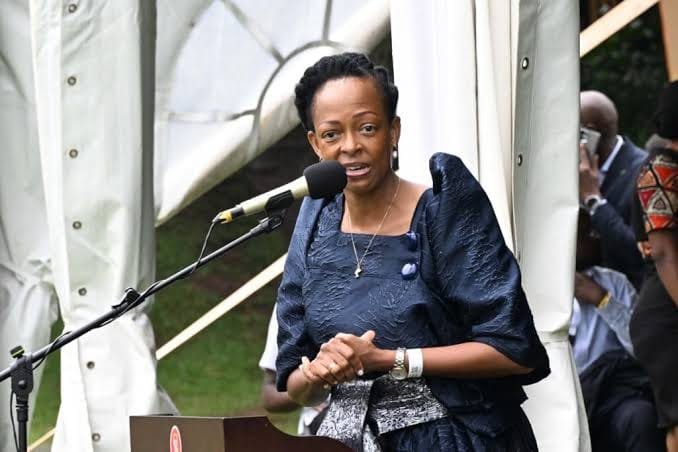
UTB chief executive officer Juliana Kagwa said the unveiling brought the competition closer and offered an opportunity for Uganda to showcase its identity to visitors.
“The logo is out and the countdown is on. It is a proud moment to see the crested crane and Uganda’s culture reflected in the identity of the tournament,” Kagwa said.
“We are ready to welcome teams, fans and visitors from across Africa and the world, and to show them why we are the Pearl of Africa.”
She said the country’s tourism appeal would extend beyond the football matches, with visitors expected to experience its cultural attractions, wildlife and hospitality.
“Football will bring people to Uganda, but it is our culture, our creativity and our people that will make them want to stay,” Kagwa said.

“We want every fan to leave with a story, a piece of Ugandan craft and a reason to come back.”
Uganda’s cultural heritage features prominently in the tournament’s visual identity, particularly through the beadwork and geometric patterns incorporated into the shield-inspired design.
The country has a rich tradition of craftsmanship, including bark cloth making, basket weaving, beadwork, drum making and wood carving. These traditions complement its contemporary creative industries, which include fashion, music, photography, film and visual arts.
Bark cloth, in particular, is recognised by UNESCO as part of humanity’s intangible cultural heritage, reflecting the country’s longstanding traditions of artistic expression and craftsmanship.
UTB intends to use these cultural resources alongside Uganda’s established tourism attractions to encourage visitors to explore destinations beyond the stadiums.
These include the source of the Nile, national parks, mountain gorilla habitats and cultural spaces in Kampala and other parts of the country.
The board says it will work with CAF, the Local Organising Committee, government agencies, tourism operators and the creative community to develop experiences that allow visitors to combine football with tourism activities.
The strategy reflects the growing importance of major sporting competitions as platforms for destination marketing, with host countries seeking to generate economic benefits beyond ticket sales and stadium activities.
For Uganda, the challenge will be converting the visibility generated by AFCON into actual tourist arrivals, increased spending and sustained interest in the country after the competition.
With the tournament bringing together three East African nations, Uganda also has an opportunity to position itself within a wider regional tourism circuit, encouraging visitors to explore attractions across the three host countries.
The Explore Uganda campaign is expected to play a central role in communicating the country’s tourism offerings as preparations for the continental competition gather pace.
As the countdown to June 2027 continues, UTB is banking on the appeal of football, combined with Uganda’s wildlife, culture and hospitality, to give international visitors reasons to extend their stays beyond match days.