US President Donald Trump has claimed that America is leading China and the rest of the world in artificial intelligence, while warning Iran against pursuing biological weapons, as he used an interview in Shenzhen to outline his administration’s foreign policy and technological ambitions.
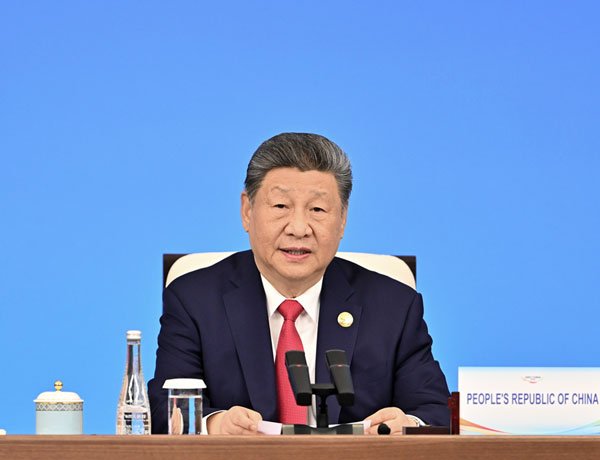
In an exclusive interview with Fox News on Wednesday, November 18, Trump said the United States had established a commanding position in what he described as “Super Intelligence”, following discussions with Chinese President Xi Jinping during his visit to China.
Trump said he had spent the evening with Xi during a state dinner, where the two leaders discussed developments in artificial intelligence and America’s technological progress.
“I was with President Xi all night last night, sitting next to him at the dinner, right on his right-hand side, and we spoke the whole evening, and we talked about that, and he’s amazed at how well we’ve done with that. We’re leading China, we’re leading the whole world,” Trump said.
His remarks come amid intensifying competition between Washington and Beijing over artificial intelligence, semiconductor technology and control of critical digital infrastructure.
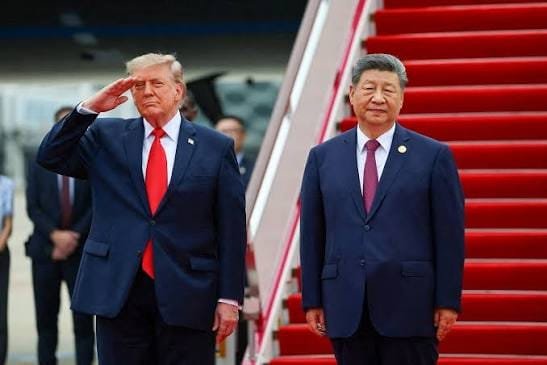
Trump also described his relationship with Xi as strong, saying the Chinese leader had demonstrated unusual diplomatic respect through his reception arrangements and the elaborate ceremony accompanying his visit.
“The relationship that I have with China is a great one. You know, it’s a friendship relationship. It’s a respect relationship,” he said.
He described the reception as a diplomatic achievement for both countries, praising the military honours, pageantry and public welcome organised for his visit.
However, Trump maintained a hard line on Iran, saying Washington was willing to negotiate an agreement with Tehran but wanted guarantees that would make any deal sustainable beyond his presidency.
“They want to make a deal, but I want a deal that can be lasting,” Trump said.
He also raised concerns about reports that Iran could be exploring biological weapons capabilities, including what he described as interest in gas and biological weapons.
“There is indication that Iran is looking at gas and they’re looking at the bio — the biological weapons, not nice — and other things, and we’ll see,” he said.
Trump warned that the United States would respond forcefully if Iran pursued such capabilities or threatened American interests.
“Look, if it does happen, we wipe them out,” he said.

The remarks underscore the administration’s continued pressure on Tehran, even as Trump indicated that negotiations remained possible.
On relations between Russia and China, Trump blamed former US President Barack Obama for bringing the two countries closer, arguing that Washington had allowed what he described as a strategic alignment between countries that were historically rivals.
“The relationship should have never been allowed to happen,” Trump said.
He argued that energy relations had contributed to the closer ties between Moscow and Beijing, adding that he had long viewed an alliance between the two powers as something the United States should have prevented.
“All my life I read you never want to have Russia and China team up,” he said.
Trump also expressed confidence about working with Democrats in the US Congress over the next two years, saying he had received an unexpectedly positive response from members of the opposition party seeking cooperation.
He said he expected negotiations over legislation, including healthcare, to provide opportunities for bipartisan engagement, although he maintained that he would use his presidential veto where he disagreed with proposed measures.
On domestic infrastructure, Trump highlighted plans to modernise America’s air traffic control system, describing the existing equipment as outdated and in need of replacement.
“This is 50-year-old equipment, and it has to be changed,” he said, adding that his administration wanted to ensure the country developed the best air traffic control system in the world.
He also dismissed concerns surrounding recent technological outages, describing them as isolated incidents and accusing sections of the media of exaggerating their significance.
The White House said the interview reflected Trump’s message of American resurgence, highlighting his administration’s focus on technological leadership, infrastructure modernisation and diplomacy.
His remarks in Shenzhen come amid heightened global attention on relations between the United States, China and Russia, particularly as the three powers navigate competition over technology, security and international influence.