Uganda has signed a 10-year agreement with international oil trader Vitol to market its crude oil, handing the company responsibility for finding buyers and negotiating sales as the country prepares to join the league of oil-exporting nations.
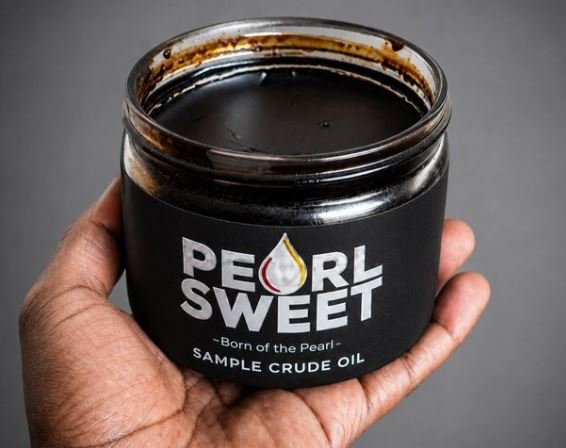
The agreement, signed at State House, Entebbe, on November 20, comes as Uganda moves towards commercial oil production, with the Government seeking to secure international markets for its Pearl Sweet crude while equipping the Uganda National Oil Company (UNOC) to eventually handle the business independently.
Under the arrangement, Vitol will market Uganda’s crude oil and provide technical support and training to UNOC staff, who will work alongside the international trader to acquire the expertise required to navigate the global petroleum market.
President Museveni, who witnessed the signing, said the partnership was intended to help Uganda obtain competitive prices for its oil, drawing on the experience of Vitol, which previously supplied refined petroleum products to the country.
Museveni said his relationship with the company began after he raised concerns about Uganda’s dependence on intermediaries when importing petroleum products, arguing that the practice was costing the country money.
He recalled that Uganda was purchasing about one billion litres of petroleum products annually through middlemen operating in Kenya, prompting him to direct the then Energy minister, Irene Muloni, to explore direct procurement arrangements.
“I said a whole country should not be buying from middlemen. It is a big shame. I have always told you to buy directly from the factories,” Museveni said.
He cited savings from Vitol’s previous supply arrangements, saying diesel prices had declined from $118 to $83 per metric tonne, while petrol dropped from $97.50 to $61.50. Jet fuel prices also fell from $114.25 to $79.25.
Museveni said Uganda expected to apply the same approach to crude oil marketing, although he emphasised that UNOC would retain oversight of the transactions and have a say in the selection of buyers.
“Under this agreement, they will hawk our petroleum products and sell to the highest bidder. Whoever they sell to must be known to UNOC. UNOC must be satisfied with who has bought the oil and why,” he said.
Energy and Mineral Development minister Monica Musenero said the agreement was among the final preparations required before Uganda could announce the commencement of first oil.
She argued that developing oilfields and building export infrastructure were not enough, saying Uganda also needed the commercial expertise to sell its crude oil in a competitive international market.
“Many Ugandans have been waiting for first oil, but we cannot take the oil to the market until we are prepared for the market. Today’s agreement is very fundamental, and it is the last step now leading us to the next announcement we shall be making about first oil,” Musenero said.
Vitol will initially work alongside UNOC, introducing the national oil company to international buyers, providing technical guidance and training its personnel in crude oil trading.

The initial sales will be conducted on a Free On Board (FOB) basis at the export terminal in Tanga, Tanzania. Under this arrangement, Uganda will deliver the crude oil to the designated export terminal, where it will be loaded onto vessels for shipment to buyers.
Musenero said the Government could subsequently consider extending the arrangement to cover transportation of the crude oil to its final destinations, depending on UNOC’s experience and ability to manage international trading operations.
“Vitol is going to walk side by side with UNOC, training and teaching us how to enter the market and introducing us to the market. Later, when UNOC has mastered this game, we will decide whether we should work with the crude oil to the final destinations,” she said.
Vitol’s Regional Head, Michael Balint, described the agreement as a natural progression of the company’s relationship with Uganda, thanking Museveni and the technical teams from UNOC and the Energy ministry for concluding the negotiations.
He said the partnership would also strengthen UNOC’s institutional capacity by exposing its staff to international crude oil trading operations.
“We believe this is the next step in our relationship with Uganda. It is a natural growth, and we are happy to be part of that growth,” Balint said.
Uganda’s crude oil, named Pearl Sweet by Museveni in September 2026, will be produced from the Tilenga and Kingfisher oilfield developments in the Albertine Graben.
The crude has a sulphur content of about 0.12 per cent, making it relatively low in sulphur and attractive to refiners. However, its high wax content requires heating during transportation to maintain its flow.
It will be transported through the 1,443-kilometre East African Crude Oil Pipeline (EACOP), which runs from Kabaale in Hoima district to the export terminal at Tanga, Tanzania.
The marketing agreement adds another component to Uganda’s oil production preparations, which have involved developing the oilfields, constructing the pipeline and establishing the infrastructure needed to transport crude to international markets.
However, the 10-year arrangement also places a premium on UNOC’s ability to safeguard Uganda’s commercial interests, monitor sales and acquire the expertise to independently market the country’s oil.
The signing ceremony was attended by Attorney General Dr Sam Mayanja, Finance ministry permanent secretary and Secretary to the Treasury Ramathan Ggoobi, and Energy ministry permanent secretary Irene Batebe, among other officials.