 news TRUSTED NEW
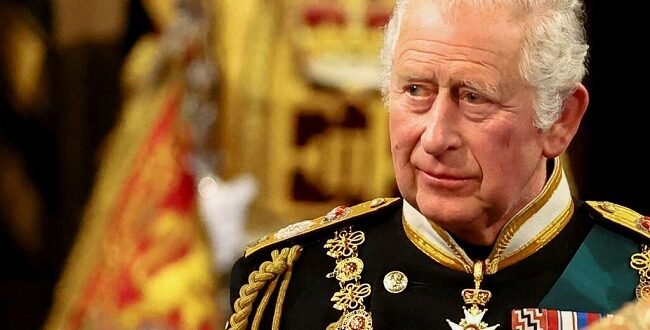
London — For nearly two centuries, Buckingham Palace has stood as the unmistakable symbol of the British monarchy a residence that has welcomed heads of state, hosted royal ceremonies, and embodied the continuity of the Crown since the reign of Queen Victoria in 1837. Yet, in a decision that marks a significant institutional shift, royal officials have confirmed that King Charles III will not make Buckingham Palace his permanent residence once its decade-long refurbishment is completed next year. Instead, the King and Queen Camilla will continue living at nearby Clarence House, while Buckingham Palace remains the ceremonial and administrative headquarters of the monarchy. Far from being a simple change of address, the decision reflects broader questions about constitutional monarchy, public expenditure, heritage conservation, and the evolving relationship between historic institutions and modern society.
Buckingham Palace has served as the official London residence of British sovereigns since 1837, when Queen Victoria established it as the monarchy’s principal home. Beyond its residential function, it has become one of the world’s most recognized symbols of British statehood, hosting state banquets, diplomatic receptions, investitures, and audiences with foreign leaders. Even after King Charles’s decision, palace officials have emphasized that Buckingham Palace will remain the operational heart of the monarchy, continuing to host official ceremonies and international diplomatic engagements.
The decision follows the £369 million refurbishment programme launched in 2017 to modernize ageing electrical systems, plumbing, heating infrastructure, and fire safety measures while preserving one of Britain’s most important historic buildings. Royal officials indicated that remaining at Clarence House offers practical advantages while allowing Buckingham Palace to accommodate greater public access after renovations are complete. This reflects a wider trend among constitutional monarchies toward making historic royal properties more accessible as national heritage sites.
Unlike absolute monarchies, the United Kingdom operates under a constitutional monarchy in which the Sovereign performs ceremonial, diplomatic, and constitutional duties within the framework of parliamentary democracy. King Charles’s decision illustrates an important principle of modern constitutional governance: institutions can evolve without compromising constitutional continuity. While Buckingham Palace remains the official seat of royal administration, the monarch’s private residence is ultimately a matter of institutional practicality rather than constitutional necessity.
The refurbishment also highlights the policy challenge of maintaining nationally significant heritage assets. Buckingham Palace is both a working government building and a protected historic landmark that attracts hundreds of thousands of visitors annually. Conservation projects of this scale require balancing public expenditure with long-term preservation of cultural heritage. Across Europe, governments face similar questions about funding the maintenance of palaces, museums, castles, and historic monuments that serve both ceremonial and tourism functions. By increasing public accessibility once renovations are complete, officials argue that the palace’s cultural and educational value can be expanded alongside its constitutional role.
The announcement coincided with an unprecedented disclosure regarding royal finances. For the first time, palace officials revealed that King Charles voluntarily paid approximately £12.9 million in tax for the 2024–25 financial year, despite not being legally required to pay income, capital gains, or inheritance taxes. The disclosure forms part of broader efforts by the Royal Household to increase transparency in response to public expectations regarding accountability. The Sovereign Grant, which funds the monarchy’s official duties and palace maintenance, is also expected to decrease after completion of the refurbishment programme at the King’s request.
Lessons for Heritage Governance Worldwide
The British experience offers lessons for countries managing nationally significant cultural landmarks. Across Africa including Uganda, Ghana, Morocco, Ethiopia, and South Africa historic palaces, kingdoms, museums, and royal sites face similar questions regarding preservation, public access, and sustainable financing.
As urban populations grow and public expectations evolve, governments increasingly seek ways to preserve heritage while ensuring that national monuments remain accessible and relevant to contemporary society. King Charles III’s decision should not be interpreted as diminishing Buckingham Palace’s importance. Rather, it illustrates how enduring institutions can adapt to changing realities while preserving their constitutional and cultural significance.
In an era when citizens increasingly expect transparency, efficient public spending, and greater access to national heritage, the future of historic institutions may depend less on where leaders reside and more on how effectively those institutions continue to serve the public interest. Buckingham Palace will remain one of Britain’s most recognizable national symbols. The King’s decision simply signals that, in the twenty-first century, leadership and legitimacy are measured not by residence alone, but by stewardship, accountability, and the preservation of heritage for future generations.
Post Views: 0
Post navigation
Source link