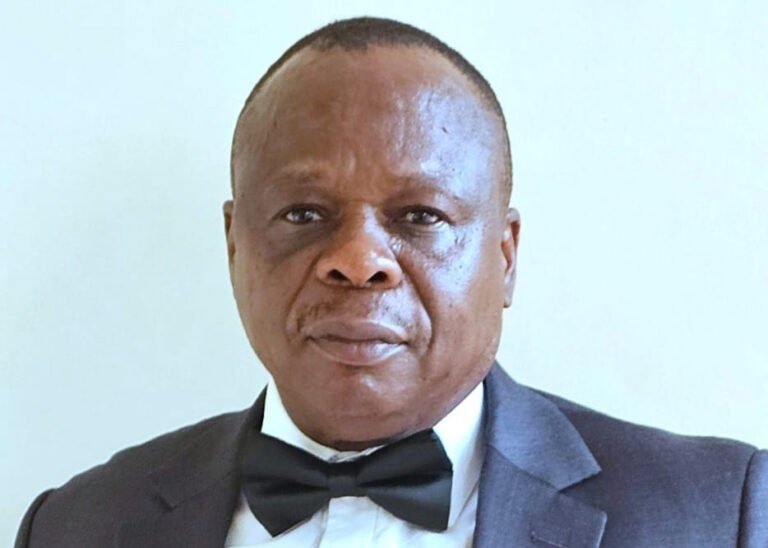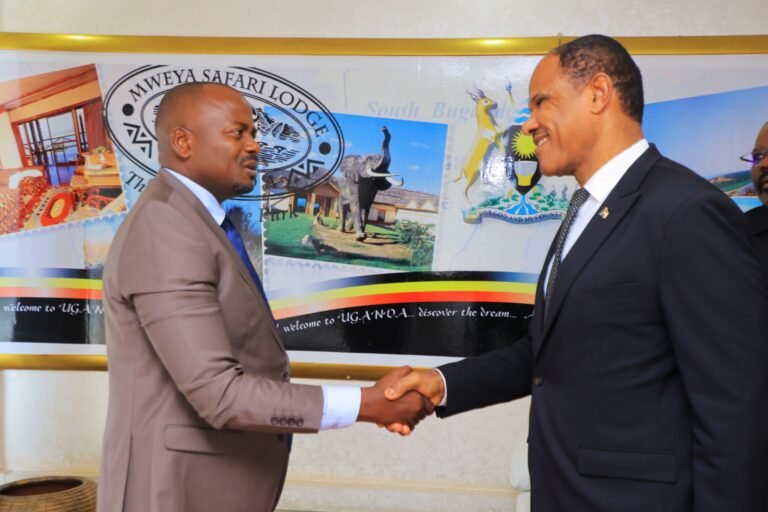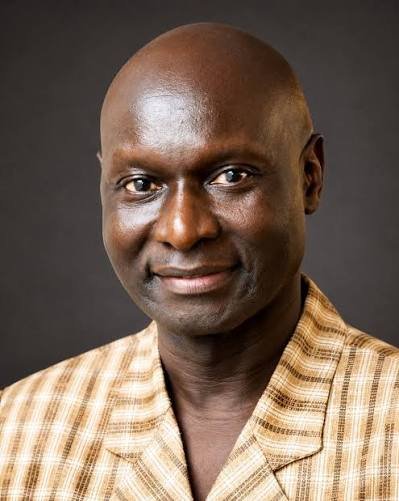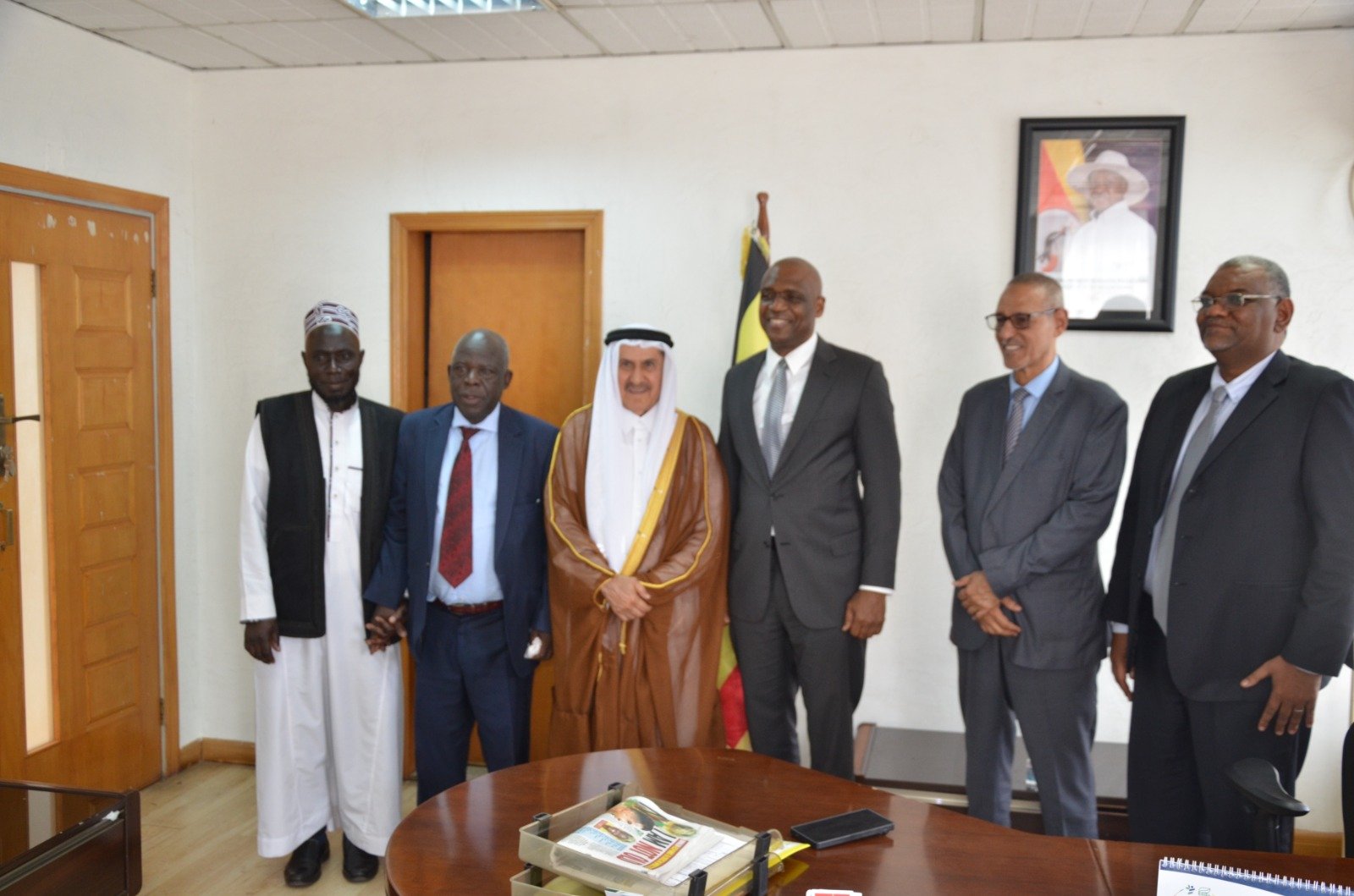
Kampala, Uganda — Uganda has reaffirmed its commitment to strengthening partnerships with international humanitarian organizations as the Ministry of Foreign Affairs held high-level discussions with the leadership of Munazzamat Al-Dawa Al-Islamiyya on expanding development and charitable initiatives across the country. The engagement took place when the Chief of Protocol at the Ministry of Foreign Affairs, Ambassador Charles Ssentongo, received a courtesy call from H.E. Ali bin Hassan Abdallah Al-Hammad, the former Ambassador of the State of Qatar and the newly appointed Chairman of the Board of Trustees of Munazzamat Al-Dawa Al-Islamiyya. He was accompanied by members of the organization’s senior leadership during the meeting held at the Ministry’s headquarters in Kampala.
The discussions centred on strengthening cooperation between Uganda and the Sudan-headquartered international Islamic charitable organization, with both sides emphasizing the importance of sustainable development, humanitarian assistance, and capacity-building programmes that directly improve livelihoods. Welcoming the delegation, Ambassador Ssentongo commended Munazzamat Al-Dawa Al-Islamiyya for its longstanding humanitarian footprint in Uganda and its continued contribution to improving the welfare of vulnerable communities through education, health, and social development initiatives. He noted that Uganda highly values partnerships that complement national development priorities and contribute to inclusive socio-economic transformation.
The Chief of Protocol encouraged the organization to broaden the scope of its interventions by placing greater emphasis on vocational education, practical skills development, and youth empowerment. He observed that equipping young people with employable skills remains one of the most sustainable pathways toward reducing poverty, addressing unemployment, and fostering self-reliance. Ambassador Ssentongo further proposed the establishment of an Imams’ Training Centre in Uganda, describing it as a strategic initiative that could strengthen religious leadership through structured education, promote ethical guidance within communities, and support peaceful coexistence through informed religious scholarship. He emphasized that investments in human capital remain central to Uganda’s long-term development agenda and encouraged international partners to align their programmes with initiatives that generate lasting social and economic impact.
For his part, Ambassador Al-Hammad expressed gratitude to the Government of Uganda for the cordial relations it has maintained with Munazzamat Al-Dawa Al-Islamiyya over the years, as well as for the diplomatic recognition and support extended to the organization in carrying out its humanitarian mission.
He reaffirmed the organization’s commitment to serving the people of Uganda and the wider East African region through sustainable programmes that respond to community needs while promoting dignity, education, and social welfare. According to Ambassador Al-Hammad, the organization remains committed to working closely with government institutions and local stakeholders to ensure that its interventions produce meaningful and lasting outcomes. He underscored the importance of partnerships built on mutual trust, shared responsibility, and respect for national development priorities. The Chairman also highlighted the organization’s readiness to explore new areas of cooperation, particularly in education, vocational training, community development, and humanitarian assistance, in line with Uganda’s aspirations for inclusive growth.
The meeting reflected the growing importance of diplomatic engagement in advancing development cooperation beyond traditional bilateral relations. Increasingly, humanitarian organizations are working alongside governments to address complex socio-economic challenges through programmes that combine charitable support with long-term capacity building. Uganda has consistently encouraged development partners to invest in initiatives that empower communities through education, entrepreneurship, healthcare, and skills acquisition, recognizing that sustainable development requires collaborative efforts involving government, civil society, faith-based organizations, and international institutions. The discussions also highlighted the constructive role that faith-based humanitarian organizations continue to play in supporting national development agendas across Africa. Through investments in schools, healthcare facilities, social welfare programmes, and community empowerment initiatives, such organizations have become important partners in complementing public service delivery, particularly in underserved communities.
As Uganda continues to strengthen its international partnerships, engagements such as this demonstrate the country’s commitment to fostering cooperation that delivers practical benefits to citizens while reinforcing diplomatic goodwill and shared development objectives. The courtesy call concluded with both parties expressing optimism about expanding collaboration in areas that promote education, humanitarian assistance, skills development, and community resilience. The meeting reaffirmed a shared vision of building stronger partnerships that not only respond to immediate humanitarian needs but also create opportunities for sustainable socio-economic transformation across Uganda and the wider region.