 news TRUSTED NEW
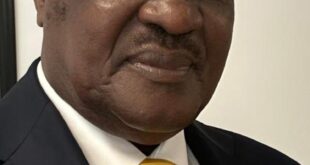
KAMPALA, Uganda – Uganda is once again facing intense scrutiny over its human rights record following explosive allegations from veteran journalist Dean Lubowa Saava. Speaking publicly for the first time since his release, Saava claims the country has become dangerously unsafe for media professionals and ordinary citizens—a warning that has amplified concerns long raised by international observers.
Saava, a reporter with nearly 20 years of experience, was arrested after investigating what he describes as high-level corruption. In a press conference held in Kampala, he alleged that he was offered bribes to abandon the story. When he refused, he says, security forces raided his offices, seized his equipment, and detained him without clear charges.
He spent six months in custody, during which he says he was denied a fair hearing. Saava eventually accepted a plea deal to secure his release—a decision he describes as a painful compromise.
“This was not prosecution—it was persecution,” Saava told reporters. “I chose the plea deal because the alternative was indefinite detention. That is not justice.”
A Pattern of Media Intimidation
Saava’s case is not an isolated incident. Media freedom groups have repeatedly documented the harassment of Ugandan journalists, particularly those covering opposition activities, protests, or corruption.
According to reports from Human Rights Watch and Amnesty International, journalists in Uganda have faced:
Arbitrary arrests and prolonged detention
Closure of media outlets critical of the government
Physical assault and confiscation of equipment by security forces
“Reporters are working in an atmosphere of fear,” said a spokesperson for the African Freedom of Information Centre. “Dean’s story is tragic but familiar.”
Inside Luzira: Overcrowding and Delayed Justice
Saava’s account of his time at Luzira Prison paints a grim picture of Uganda’s correctional system. He described severe overcrowding, with cells designed for 60 inmates holding more than 200. Pretrial detention often stretches for months or years, he said, and access to legal representation is inconsistent.
“I saw men and women who had never been convicted wasting away behind bars,” Saava said. “The system is broken.”
His claims align with previous findings by the Uganda Prisons Service and civil society groups, which have long flagged judicial delays as a systemic failure.
Allegations of Judicial Interference
Perhaps the most serious element of Saava’s testimony involves claims of external interference in the judicial process. He alleges that decisions regarding bail and case progression were influenced by political actors, not legal merit.
“The court was a formality,” he said. “The outcome had been decided elsewhere.”
Civil society organizations have frequently criticized Uganda’s judicial independence, especially in politically sensitive cases. While the government of President Yoweri Museveni denies systemic abuse, maintaining that Uganda operates under the rule of law, critics argue that such claims ignore mounting evidence.
Broader Human Rights Landscape
Saava’s ordeal highlights several long-standing human rights concerns in Uganda:
Arbitrary arrests and detention of opposition figures, activists, and journalists
Restrictions on free expression through selective enforcement of media and online licensing laws
Excessive use of force by security forces during protests and elections
Political repression, including surveillance and intimidation of opposition supporters
Digital rights violations, such as internet shutdowns during sensitive political periods
A Glimmer of Support from Legal Institutions
Despite the grim picture, Saava expressed gratitude to the Uganda Law Society, which provided legal support during his detention. Advocacy groups continue to defend civil liberties, often stepping in where state institutions fall short.
Uganda’s constitution guarantees fundamental rights, including freedom of expression and the right to a fair trial. But Saava argues that the gap between law and practice remains dangerously wide.
“We cannot claim freedom when people live in fear,” he said. “I spoke the truth, and I paid the price. But silence is not the answer.”
International Reaction
The U.S. State Department and European Union have taken note of Saava’s allegations, with a spokesperson for the EU delegation in Uganda calling for “a transparent and independent review” of the journalist’s case. Human rights bodies have urged the Ugandan government to investigate Saava’s claims and take concrete steps to protect media workers.
As of press time, the Ugandan government had not issued an official response to Saava’s latest allegations. However, officials have previously dismissed similar claims as isolated incidents or fabrications by “criminal elements” hiding behind journalism.
For now, Saava remains free but wary. “I will keep writing,” he said. “Because if we stop, they win.”
Related
Source link