A girl receiving a vaccine at the age of 10 may never know the disease it was designed to prevent.
Years later, screening might detect another woman’s precancerous changes. Timely treatment could save the life of a diagnosed patient. These are the three opportunities Uganda is trying to bring together in its campaign against cervical cancer: protection before infection, detection before serious illness and treatment before lives are lost.
The stakes are considerable. According to estimates attributed to the World Health Organization (WHO), approximately 5,164 Ugandan women develop cervical cancer each year, and about 3,000 die from it.
Families bear the medical costs and loss. Uganda marked World Cervical Cancer Elimination Day on November 17, 2026, under the theme “Together We Can Eliminate Cervical Cancer”.
It highlighted a shift from treating diagnosed cases towards coordinated vaccination, screening and treatment. But an ambitious promise raises a practical question. Can Uganda ensure that a girl receives protection, a woman gets tested, and anyone found to have dangerous changes receives the care she needs?
WHAT ELIMINATION ACTUALLY MEANS
The campaign follows WHO’s global strategy, launched in 2020, to eliminate cervical cancer as a public health problem. Elimination means reducing its burden, not necessarily ending every case.
WHO’s 90-70-90 strategy sets three targets for 2030. At least 90 per cent of girls should be fully vaccinated against human papillomavirus (HPV) by age 15. At least 70 per cent of high-risk women should undergo screening with a high-performance test by ages 35 and 45.
And 90 per cent of women identified with cervical precancer or invasive cancer should receive appropriate high-risk treatment. Persistent infection with high-risk HPV types can cause abnormal changes in the cervix that may develop into cancer.
Precancer refers to abnormal changes that have not yet become invasive cancer and may be treated before they progress. The three targets depend on one another. Vaccination protects girls before future exposure to the virus.
Screening helps identify problems in adult women, including those who were never vaccinated. Treatment is essential because detecting an abnormality achieves little if a patient cannot obtain care.
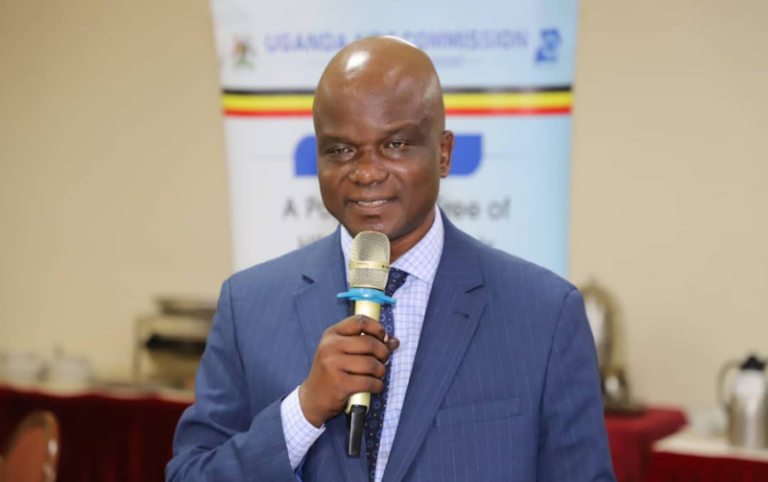
Dr Barnabus Ssekawu has emphasized that cervical cancer is preventable and highly treatable when detected early. He has urged parents to ensure that eligible girls receive HPV vaccination.
A SIMPLER VACCINATION SCHEDULE
Uganda already provides HPV vaccination through its routine immunization programme, targeting girls aged 10, whether they attend school or not. School campaigns can miss girls outside education.
In January 2026, the ministry of Health announced a move from a multiple-dose schedule to a single-dose HPV vaccination schedule. The change is intended to make vaccination easier to organize and reduce the burden of returning for additional appointments.
One visit helps families far from health facilities. But simplifying the schedule does not automatically reach every eligible girl. Parents, teachers, health workers and local authorities still have to identify those who have been missed.
“Once we immunize all girls aged 10 years, an entire generation is protected,” ministry of Health permanent secretary Dr Diana Atwine said during a media engagement.
The ministry’s Annual Health SubProgramme Performance Report for 2025/2026 puts national first-dose HPV vaccination coverage at 99 per cent, up from 97 per cent in the previous financial year.
That reported improvement is encouraging, although first-dose coverage should not automatically be read as proof that every eligible girl has completed the recommended schedule. Which girls remain unvaccinated?
SCREENING BEYOND THE HOSPITAL
Vaccination alone cannot resolve the existing risk for adult women. Screening looks for HPV infection or abnormal cervical changes before symptoms appear or cancer advances.
Early detection enables follow-up.
Uganda has been integrating cervical cancer screening into reproductive health services and HIV clinics. This approach uses facilities that women may already visit, instead of requiring every patient to find a separate specialist service.
It is particularly important for women living with HIV, who face approximately five times the risk of developing cervical cancer, according to the source material. Their higher vulnerability makes regular access to screening and follow-up especially important.
A national initiative launched in 2020 sought to expand screening within HIV services. A study published in the Bulletin of the World Health Organization in 2024 reported that the number of HIV clinics offering cervical cancer screening rose from just 11 before the programme to 1,571 during its expansion.
That is a substantial increase in the number of places where screening is offered. It does not, by itself, establish how many eligible women were tested, how many received their results or whether those with abnormal findings completed treatment.
The distinction matters. A woman who receives a positive screening result may need further assessment and treatment. Without an effective system to guide her through those steps, the opportunity created by early detection can be lost.
PARTNERSHIPS AND THE TREATMENT GAP
Uganda is also seeking outside support to improve the services available after screening. In February 2026, it strengthened cooperation with South Korea through the National Cancer Management and Capacity Building Project.
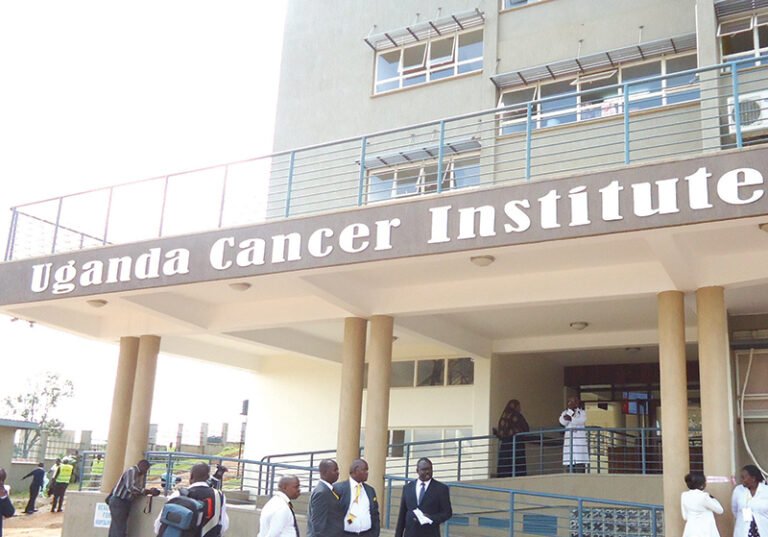
The three-year initiative, valued at approximately $3 million, or Shs10.7 billion, involves the Uganda Cancer Institute, the ministry of Health and the Korea Foundation for International Healthcare. It supports prevention, screening and treatment.
According to the project, more than 35,000 women aged 25 to 65 had been screened in Kampala City, Mbarara City and Mbarara district. More than 3,000 women diagnosed with precancerous lesions had received treatment at supported health facilities.
The reporting period for these achievements needs clarification. These results illustrate why screening and treatment must be planned together. Finding abnormal cells can prevent a future cancer only when the woman can access the recommended care.
For someone already living with invasive cancer, appropriate treatment requires services capable of managing a more serious disease. The government therefore faces responsibilities that go beyond announcing programmes or counting screening visits.
Facilities need functioning equipment, medicines, trained health workers and reliable financing. Patients also need clear information about where to go after an abnormal result and what treatment is available.
The difference is consequential for ordinary families. A vaccination statistic describes delivery of a preventive service; a screening statistic describes access to a test. Neither alone reveals whether a woman who needs treatment actually receives it in time.
THE TEST BETWEEN NOW AND 2030
Uganda’s progress on vaccination and the expansion of screening services show that cervical cancer prevention can reach more women and girls through existing health systems. International partnerships are adding resources and technical support.
Yet the figures available do not establish that Uganda has already achieved WHO’s three elimination targets. The remaining challenge is to connect services so that women do not disappear from care between screening, diagnosis and treatment.
Public awareness is another part of that task. Families need accurate information about HPV vaccination, women need to understand why screening matters even when they feel healthy, and communities need opportunities to question misinformation without being dismissed.
By 2030, Uganda’s success will be measured not simply by vaccines supplied, clinics enrolled or projects launched, but by whether girls receive protection and women can obtain timely, complete care. The promise of elimination will ultimately mean something only if the health system follows each patient through.
Related