Overview:
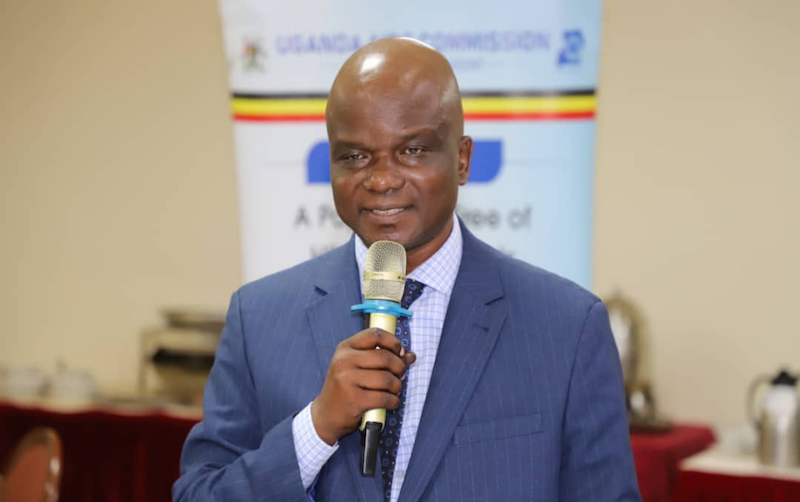
From health planning to leading the Uganda AIDS Commission, Dr Nelson Musoba spent more than two decades strengthening the country’s HIV response. His death comes as Uganda confronts declining donor support and the unfinished battle against new infections.
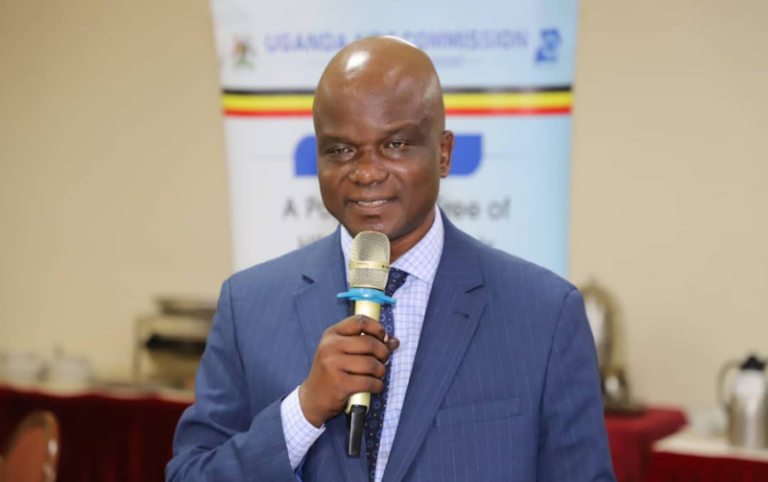
Dr Nelson Musoba had become a familiar presence whenever Uganda’s health authorities addressed the nation about HIV/AIDS.
At press conferences and public engagements, he helped explain the country’s achievements, remaining challenges and plans for controlling an epidemic that has shaped millions of lives.
His absence from two important engagements in November 2026 therefore marked an unusual departure from his established public role. On November 4, when the Uganda AIDS Commission and Uganda Media Centre briefed journalists about preparations for World AIDS Day, Musoba was missing.
Tom Eti, the commission’s senior manager responsible for coordination, represented him. He was also expected at the National HIV and AIDS Symposium, held at Mbarara University of Science and Technology from November 16 to 18. Again, he did not attend.
No official explanation accompanied either absence. Then came the news. On Sunday, November 22, Minister for the Presidency Milly Babalanda announced that Musoba, director general of the Uganda AIDS Commission, had died at 5:45 a.m. at Medipal Hospital in Kampala, where he was receiving treatment for cancer-related complications.
“With deep sorrow and profound sadness, I announce the untimely passing of the Director General of the Uganda AIDS Commission, Dr. Nelson Musoba,” Babalanda wrote on X.
She informed President Yoweri Kaguta Museveni, commission staff and the country of his death.
“His passing comes at a particularly critical time as the country prepares to commemorate World AIDS Day on 1st December, a moment when we reflect on the progress made and the challenges that remain in the fight against HIV/AIDS,” she added.
The commission confirmed his death approximately two hours later, saying further information would follow.
HIS FINAL ILLNESS
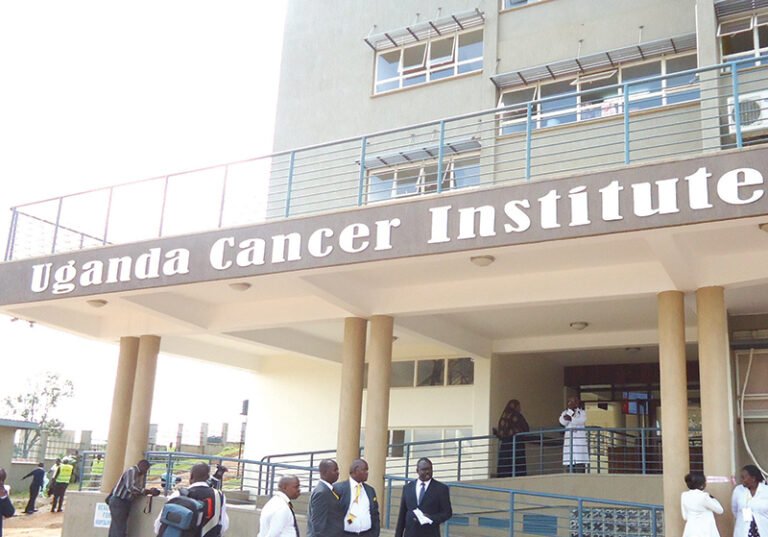
According to information obtained by Uganda Radio Network, Musoba had requested sick leave after taking official leave to undergo further medical examinations and treatment. A source close to his family said he had sought treatment at the Uganda Cancer Institute following a diagnosis believed to involve colon cancer.
The source said Musoba subsequently underwent surgery at a hospital in Nairobi, Kenya, before returning to Uganda. His condition reportedly deteriorated as the illness spread to other organs, eventually requiring palliative care.
Palliative care focuses on relieving pain, managing symptoms and improving comfort for people living with serious illness. A relative who visited him at Medipal Hospital on November 16 said Musoba appeared aware that he might not survive much longer.
The family source expressed surprise at how quickly his condition had worsened, particularly because Musoba had reportedly been diligent about routine medical examinations.
However, neither the family nor the Uganda AIDS Commission has independently confirmed the specific cancer diagnosis or treatment history. Babalanda’s announcement identified cancer-related complications as the cause of death.
FROM HEALTH PLANNER TO NATIONAL COORDINATOR
Musoba’s professional life reflected more than two decades of work in health systems management, public policy, donor coordination and partnerships between government and other organizations.
Between 2007 and 2012, he served as senior health planner at the Ministry of Health, coordinating Uganda’s Global Fund programmes covering HIV/AIDS, tuberculosis and malaria.
The assignment placed him within an important financing structure supporting disease prevention and treatment. He later became project director and chief of party for the USAID-funded Monitoring and Evaluation of the Emergency Plan Progress project.
The initiative supported monitoring and evaluation of the United States President’s Emergency Plan for AIDS Relief, commonly known as PEPFAR. Monitoring and evaluation involve collecting and analyzing information to establish whether programmes are reaching intended beneficiaries and producing results.
The project also supported Uganda’s national reporting systems under the “Three Ones” principle, an approach promoting coordinated HIV action through one national framework, one coordinating authority and one monitoring system.
In 2014, Musoba joined the Uganda AIDS Commission as director of planning and strategic information. That role involved coordinating the information and planning functions needed to guide national HIV programmes and assess progress.
He became acting director general in March 2017 and was confirmed in February 2018. His appointment placed him at the centre of Uganda’s multisectoral HIV response, bringing together ministries, local governments, development partners, civil society organisations and affected communities.
Unlike a hospital, the commission does not primarily deliver clinical treatment. Its central responsibility is to coordinate institutions and programmes so that prevention, care and financing contribute to shared national objectives.
THE UNFINISHED HIV STRUGGLE
Musoba’s death comes as Uganda confronts a difficult transition in its HIV response. At the November 4 briefing, Dr Vincent Bagambe, the commission’s senior manager for policy, planning and strategic information, reported that approximately 1.567 million Ugandans were living with HIV.
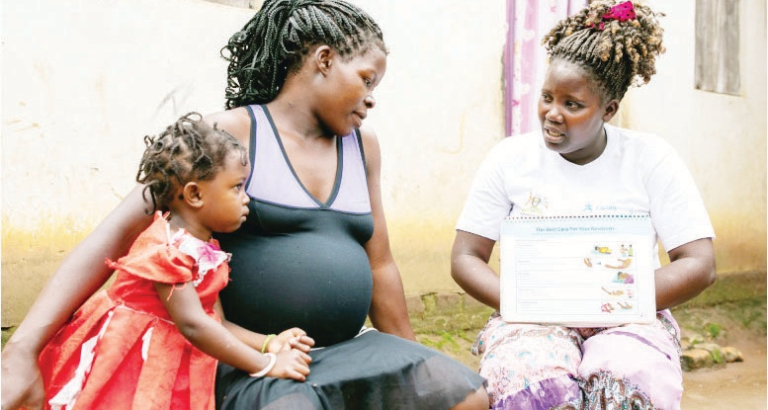
New infections had declined from 38,000 to about 34,000, indicating progress but also showing that transmission remains a substantial public health challenge. Young people aged 15 to 24 accounted for 38 per cent of new infections, with adolescent girls and young women carrying a disproportionate burden.
Regional differences were also pronounced. Reported HIV prevalence stood at eight per cent in southwestern Uganda, 7.3 per cent in southern Uganda and 7.2 per cent in northern Uganda.
The figures show why a national response must address different risks across communities rather than rely on a single approach.
Bagambe identified particularly affected populations, including female sex workers and their clients, fishing communities, truck drivers, people who inject drugs and men who have sex with men.
The November symposium, organized under the theme “Sustainable Interventions to End AIDS as a Public Health Threat by 2030,” examined these challenges alongside the future of HIV financing.
Its programme included the annual joint AIDS review, scientific discussions, a financing dialogue and the Philley Bongole Lutaaya memorial lecture. The central concern was how Uganda could sustain essential HIV services as external financial support declined. That question now forms part of the institutional challenge Musoba leaves behind.
A LEGACY OF COORDINATION
Tributes following his death reflected the relationships he had built across Uganda’s public health community. The Ministry of Health honoured his service, while UNAIDS executive director Winnie Byanyima described his death as a tremendous loss.
“Throughout his leadership at the Uganda AIDS Commission, Dr Musoba demonstrated an unwavering commitment to strengthening the national HIV response, ensuring that it remained a national development priority,” Byanyima said.
UNAIDS credited him with promoting national ownership, coordination and partnerships during changing international funding conditions.
“For UNAIDS, Mr Musoba was more than an institutional counterpart; he was a trusted partner and colleague whose wisdom and dedication to the national HIV response helped advance our shared mission of ending AIDS as a public health threat by 2030,” its statement added.
The Centre for Health, Human Rights and Development, Uganda Network on Law, Ethics and HIV/AIDS, AIDS Information Centre Uganda and Centre for Women Justice Uganda also mourned him.
The Jinja Network of Young People Living with HIV described him as a giant whose leadership and strategy would be remembered. Dr Musa Lumumba similarly credited his service with strengthening national HIV programmes and public health systems.
Musoba leaves behind an institution confronting the challenge that defined much of his career: sustaining coordinated HIV prevention and treatment despite financial uncertainty and continuing infections.
As Uganda approaches World AIDS Day on December 1, his absence will be felt beyond the familiar press briefings. The measure of his legacy will be whether the systems and partnerships he helped strengthen continue serving Ugandans after his death. Burial arrangements were yet to be announced
Related