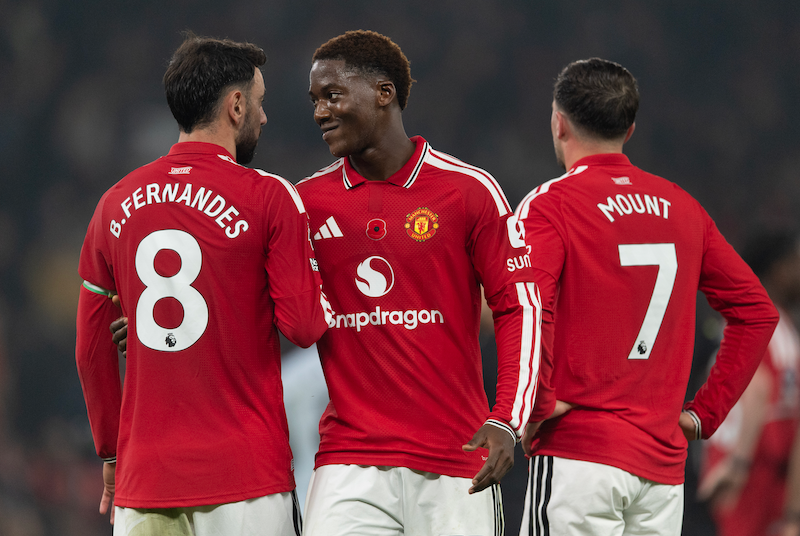
Few rivalries in world football command the attention, passion and intensity of Liverpool against Manchester United.
When these two giants meet, history is never far from the surface, and this weekend’s showdown at Anfield promises another fiercely contested chapter.
This Sunday, Anfield provides the stage for another chapter in one of English football’s greatest rivalries, with both clubs desperate to make a statement as the Premier League season gathers momentum.
But there is an added storyline this time around. Manchester United arrive under new leadership following the departure of Michael Carrick, with Mauricio Pochettino taking charge of the Red Devils. His first assignment could hardly be more challenging: a visit to Anfield to face Liverpool.
For DStv Starter subscribers, Liverpool v Manchester United is this week’s Premier League Match of the Week, bringing one of world football’s biggest rivalries to screens on Sunday evening.
There is also African football excellence to celebrate, following Senegalese striker Nicolas Jackson’s crowning as the October SuperSport African Player of the Month.
A historic rivalry, a new era at Manchester United and an African star enjoying a remarkable season. Sunday promises plenty of drama.
Why This One Matters
The Form
Liverpool head into Sunday’s encounter looking to build on their recent 3-1 victory over Crystal Palace, a result that helped strengthen their position among the Premier League’s leading sides.
Andoni Iraola’s team currently sit fourth with 18 points from ten matches and will be eager to use home advantage to close the gap on the teams above them.
Manchester United, meanwhile, find themselves in a very different position. Sitting 18th with eight points, the Red Devils desperately need a change in fortunes after a difficult opening to the campaign.
Liverpool will host Manchester United
Their recent 4-4 draw against Aston Villa offered attacking excitement but also highlighted defensive concerns. Now, with Pochettino in the dugout, United will hope a new voice and fresh tactical direction can spark an immediate turnaround.
For Liverpool, it is an opportunity to strengthen their top-four ambitions. For United, it is a chance to announce the beginning of a new chapter in the most dramatic fashion.
The Stakes
Liverpool have their sights set on the top end of the Premier League table, while Manchester United need points urgently to move away from the relegation zone.
Beyond the league standings, however, this fixture carries the weight of history and bragging rights.
A Liverpool victory would strengthen their momentum and delight their supporters, while a United win would provide Pochettino with an extraordinary start to life at Old Trafford.
For both clubs, this is about more than three points. It is about pride, belief and setting the tone for what lies ahead.
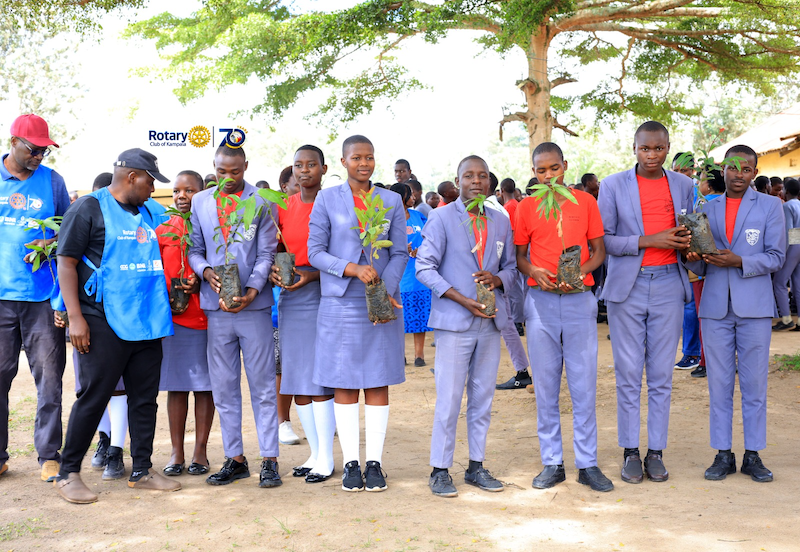
The Rotary Club of Kampala, in partnership with the Rotary Club of Rukungiri, has planted 100 fruit and nut trees across Rukungiri district in Kebisoni and Kinyasano in North Kigezi Diocese.
They were planted as part of efforts to promote environmental conservation and community development.
Local church leaders and community members joined the Rotarians in planting mango, orange, and macadamia trees at six locations: Kashoroza Church of Uganda, the North Kigezi Diocese headquarters and Bishop’s Residence, Bishop Ruhindi Secondary School, Ndama Catholic Parish, Rukungiri Town Council, and Kebisoni Health Centre.
The exercise was conducted under the Rotary Club of Kampala’s 777 Agenda, which includes supporting environmental conservation and disease prevention and treatment. It formed part of a weekend of community service activities in Rukungiri district.
To encourage participation among young people, students from two primary schools and two secondary schools also took part in the tree-planting activities.
At Bishop Ruhindi Secondary School, students participated in motivational sessions covering menstrual hygiene, self-leadership and career guidance. The club also donated textbooks in various subjects to support learning at the school. The books were contributed by Gustral Publishers Limited.
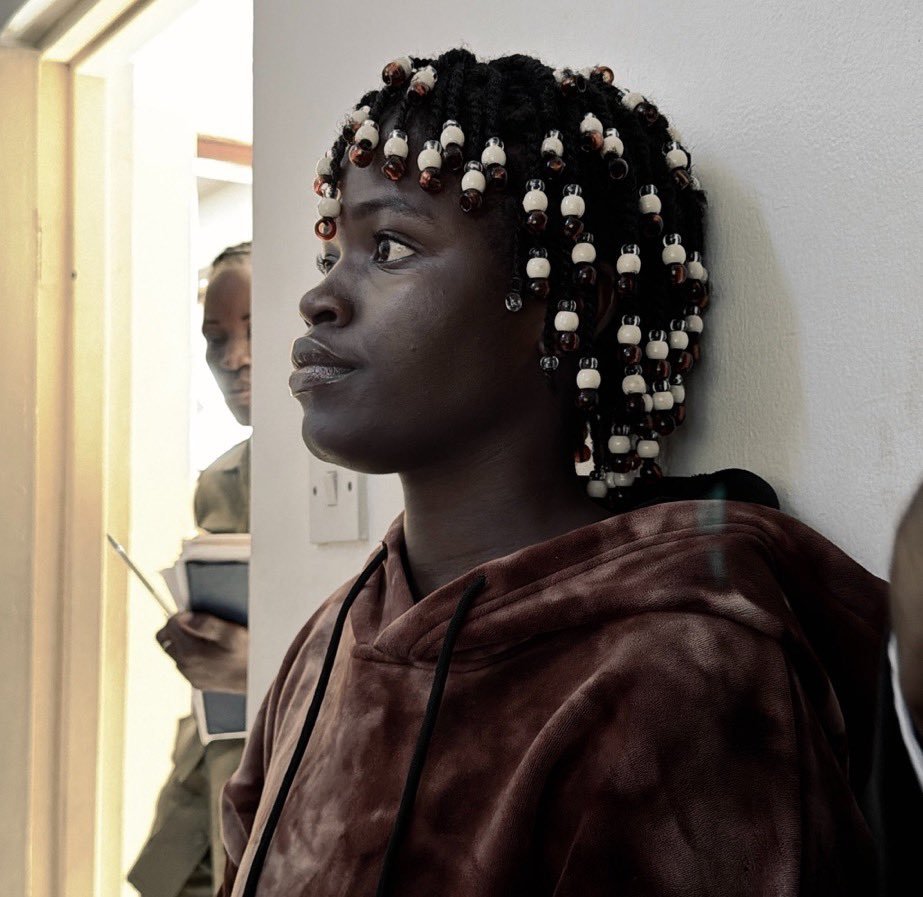
The visit also highlighted the challenges faced by academically gifted students whose education is threatened by financial difficulties. Rotarians met Amelia, a student who had excelled in her A-Level science subjects but was unable to continue her education because of limited financial support from her guardians.
Recognising her academic potential, the Rotarians committed to exploring scholarship and bursary opportunities to help her resume her studies.
Speaking about the interventions, Shem Nnaggenda Nsubuga, Rotary Club of Kampala’s platinum president, said the activities reflected the club’s commitment to translating its 70-year legacy of Service Above Self into practical and sustainable community impact.
On November 14, the activities shifted to disease prevention and treatment, with a medical camp held at Kebisoni Health Centre IV.
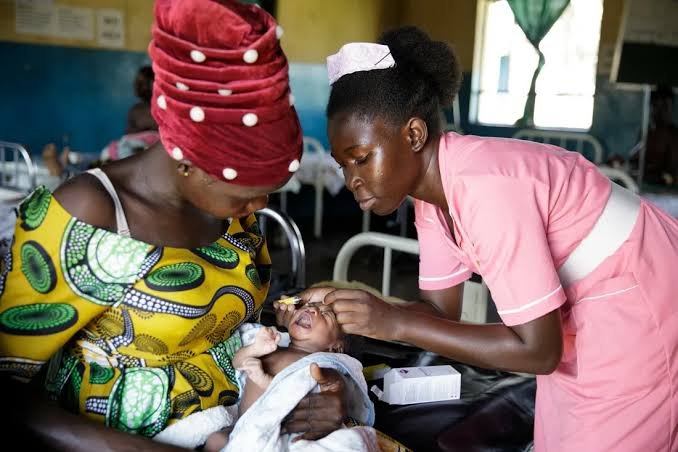
The medical camp provided free medical care
The outreach provided residents of Rukungiri and neighbouring communities with free general medical consultations and treatment, maternal and child healthcare, eye screening, dental care, oral health services, essential medicines, health education and other medical screenings.
Rotarian Louise Bugaari said the interventions were designed to address different but interconnected community needs.
“This outreach was deliberately designed to address several interconnected community needs, from environmental conservation and youth empowerment to access to essential healthcare,” Bugaari said.
The Rotary Club of Rukungiri president, Annettie Katusime Mugyenyi, said partnerships were essential in extending the reach of community service initiatives and addressing local priorities.
“We are delighted to partner with the Rotary Club of Kampala on initiatives that respond to the real needs of our communities. The tree-planting exercise and medical camp demonstrate the value of collaboration in delivering meaningful service. Such partnerships enable us to reach more people, strengthen community involvement and contribute to lasting improvements in the well-being of our people,” Mugyenyi said.
The activities form part of the Rotary Club of Kampala’s celebrations marking 70 years of Service Above Self and its 777 Agenda, which seeks to mobilise 70 new members, implement 70 community projects and raise $70,000 to support Rotary’s work.
In 1991, Uganda was still finding its footing. The headlines belonged to war in the north, economic recovery efforts, constitutional reform and a nation emerging from years of turmoil.
Banking stories rarely made the front page, and few journalists specialised in business reporting. Among the stories that passed largely unnoticed was the arrival of Standard Bank Group through its acquisition of Grindlays Bank.
For Michael Wakabi, then a young freelance reporter (and today a communications strategist with a leading public relations firm), it seemed like a routine corporate transaction in an era crowded with more urgent news.
Yet, viewed through the lens of 35 years, it was something more consequential: a rare vote of confidence in a country many investors still considered uncertain. As Stanbic Bank marks 35 years since its entry, Wakabi reflects on Uganda of 1991and the long-term bet that would help shape the country’s financial future.
What were the major stories making the headlines in 1991?
The war in northern Uganda and the government’s effort to repair the economy. Shortly after President Yoweri Museveni came to power in 1986, the Lord’s Resistance Army, a rebel outfit led by Joseph Kony, launched a rebellion against his government.
By 1991, the war had been going on for five years, with no sign that it was going to end soon. I was in my twenties at the time, and as far as I can remember, the war story dominated the news as the rebels carried out attacks on civilians, with the government army pursuing them.
Travelling to northern Uganda was risky, and economic activity was disrupted as people ended up in internally displaced people’s camps. Away from the theatre of war, in Kampala, there was some excitement about the potential economic recovery and the prospects it represented.
During this time, there was a proliferation of small media houses, especially newspapers, with many journalists seeking to tell Uganda’s story of recovery. There was extensive reporting on the commission of inquiry into past human rights violations and the constitution-making process. The government was pursuing economic reforms, but recovery was slow.
What did the banking industry look like at the time?
We had banks that were downsizing and closing branches in major towns like Jinja and concentrating in Kampala as they lost faith in the economic future of Uganda. There were also banks that had been in the country for some time and were leaving.
Business journalist Michael Wakabi
One such financial institution was Grindlays Bank. At the same time, surprisingly, Standard Bank Group decided to enter the market by acquiring Grindlays, which was exiting Uganda.
In South Africa, Nelson Mandela had been released from prison after spending 27 years in jail, and businesses like Standard Bank Group were looking to expand their influence in Africa and looking for ways to contribute to the economic progress of the continent.
What did you make of the decision by Standard Bank Group?
I thought it was bold decision entering the Ugandan market when the future was not guaranteed.
Looking back, today, I now appreciate that it was a show of great faith in the Ugandan economy. It showed the bank was committed to Uganda and was probably going to be here forever.
How was the story of the acquisition reported in the media?
There wasn’t much reporting about it in the media, something you can validate by trying to do a desktop search on the internet today—not much will come up in the search results.
Part of the reason for this is that there were no journalists dedicated to business journalism at the time. We reported everything of interest to the public, such as the war, the commission of inquiry into past human rights violations and the constitution-making process.
We learnt of the acquisition later as the banking crisis worsened, forcing the Bank of Uganda to close some banks. Uganda Commercial Bank was one of the banks that was struggling, but it was being propped up by government bailouts. However, later the government realised that UCB had no business being in business.
What followed?
Much later—like a decade since its entry in Uganda, that is around 2002, UCB was acquired by the Standard Bank Group as part of the government’s wider privatisation agenda.
The transaction stirred sharp public debate, there were those in support of the decision, as well as strong opposition to the move. Even today, 35 years later, that debate occasionally crops up.
From your perspective as a reporter, what did you think of the transaction?
I thought—still think, that Standard Bank Group’s decision to take on the risky UCB and its commitment to restructure and turn it around showed that it was dedicated to the long-term development of Uganda and was here to stay.
Looking at what they have been able to do, I think they have kept their side of the bargain. Today, Stanbic is a market leader with a purpose that speaks to an institution committed to Uganda’s economic present and future.
This can be seen through its loan book investment in productive sectors, such as agriculture, manufacturing, infrastructure, trade and energy. It has broken financial barriers for women entrepreneurs, brought unbanked rural folks into the formal banking system through unsecured, low-interest loans to savings organisations, helped businesses transition from informal to formal enterprises, and equipped young people with entrepreneurship and innovation skills.
Through these interventions, the bank has transformed the lives of many Ugandans. On the part of the government, the merger was a statement of intent and commitment to reforming and building a stable financial sector.
What could have happened if government hadlost the argument to sell UCB?
Terrible things could have happened and today’s success story that Stanbic is wouldn’t have seen light of day. The decision to get a bank to merge with Stanbic was driven by the need to support the development of a sound banking sector.
A 1991 story veteran journalist Michael Wakabi almost missed 1
Any fair observer at the time will tell you that UCB was weak, and the government had stopped bailing it out with taxpayers’ money because it was unsustainable. If the merger had not happened, the bank would probably have collapsed, with serious consequences for other banks and the entire economy.
The government would probably have continued to dig deeper into the pockets of taxpayers to sustain a bank that should not be in the market.
It’s 35 years today, looking ahead,what is your outlook for the next three decades?
Both the government and the bank have a good reason to celebrate the 35-year milestone. The government has been proven right, and Stanbic’s bet on Uganda has also paid off.
In 2006, the bank went public, listing a portion of its business on the stock market—it’s been 20 years of creating shared value for its shareholders. Customers continue to enjoy first-class financial services and advisory leveraging the bank’s attachment to Standard Bank Group.
Many Ugandans have built careers in banking at Stanbic, several rising through the ranks all the way to leading many of the current banks.
Looking ahead, there is a new challenge which also presents opportunity—the government’s aspiration to grow the economy tenfold by 2040, from USD 50 billion to USD 500 billion means Stanbic has a fresh opportunity to put its purpose in action—driving Uganda’s growth. It is a story that could easily be buried by more exciting headlines as was the case in 1991, but one not to be missed by any serious business reporter today.
Rhoda Musiima named President-elect as Uganda’s expanding digital economy puts greater focus on skills, professional standards and industry collaboration.
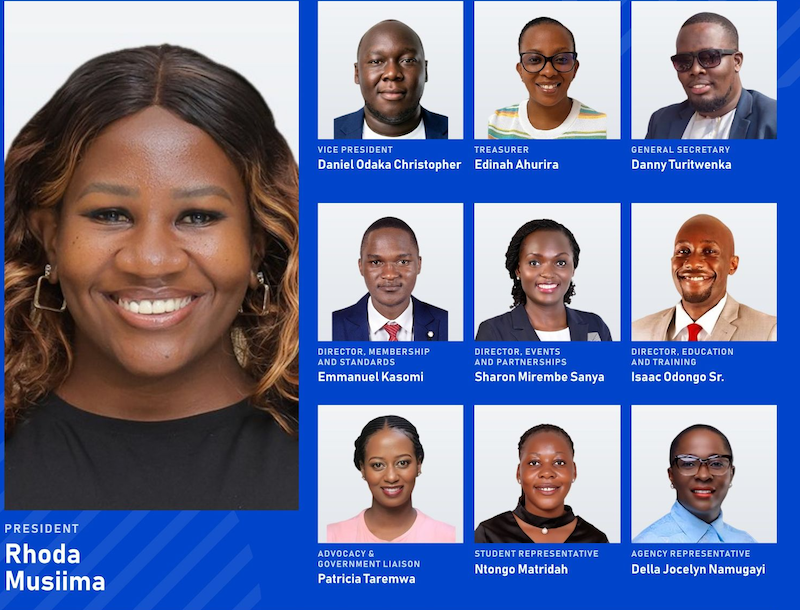
The Uganda Digital Society (UDS) has elected a new Secretariat led by President-elect Rhoda Musiima, as the country accelerates efforts to expand digital connectivity, strengthen digital skills and unlock opportunities in its growing digital economy.
Uganda recorded approximately 17 million mobile internet subscriptions by September 2025, according to the Uganda Communications Commission (UCC), highlighting the expanding reach of digital services.
However, gaps in digital literacy, affordability and access to economic opportunities remain significant challenges.
The election comes as Uganda advances its Digital Transformation Roadmap 2023/24–2027/28, which prioritizes digital infrastructure, public services, cybersecurity, skills development and innovation.
The country’s recently launched National Data Strategy further underscores efforts to strengthen digital governance and support data-driven innovation.
Against this backdrop, UDS seeks to strengthen its role in connecting digital professionals, businesses, innovators, and policymakers while promoting professional standards and industry development.
Musiima, a digital marketing professional and entrepreneur who campaigned under the theme “We Go Further Together,” has pledged to translate industry collaboration into tangible opportunities for members.
“Uganda’s digital landscape is full of talent, innovation and opportunity. Our responsibility as the newly elected leadership is to harness that collective potential, strengthen collaboration across the ecosystem and create pathways for our professionals and businesses to thrive,” Musiima said.
Her leadership priorities include professional development, industry advocacy, strategic partnerships and connecting Ugandan digital talent to employment, business opportunities and regional markets.
Musiima will serve alongside vice president-elect Daniel Odaka Christopher and eight other elected officials. She succeeds outgoing president John Ssenkeezi, with the electoral process overseen by a commission chaired by Robert Sebunya.
As Uganda pursues its national digital ambitions, the new Secretariat faces the challenge of translating expanding connectivity into professional growth, stronger businesses, and greater participation in Africa’s digital economy.
Uganda Digital Society is a registered professional society that promotes digital skills, ethical standards, innovation, and industry collaboration. Established through the merger of Top Bloggers Uganda and the Digital Learning Hub, it was officially registered on November 6, 2023.
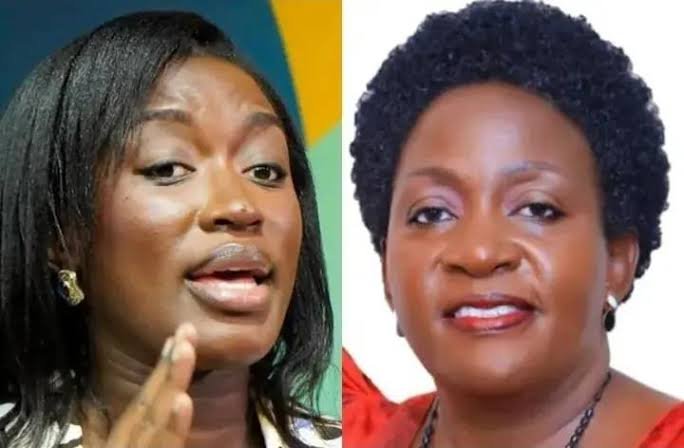
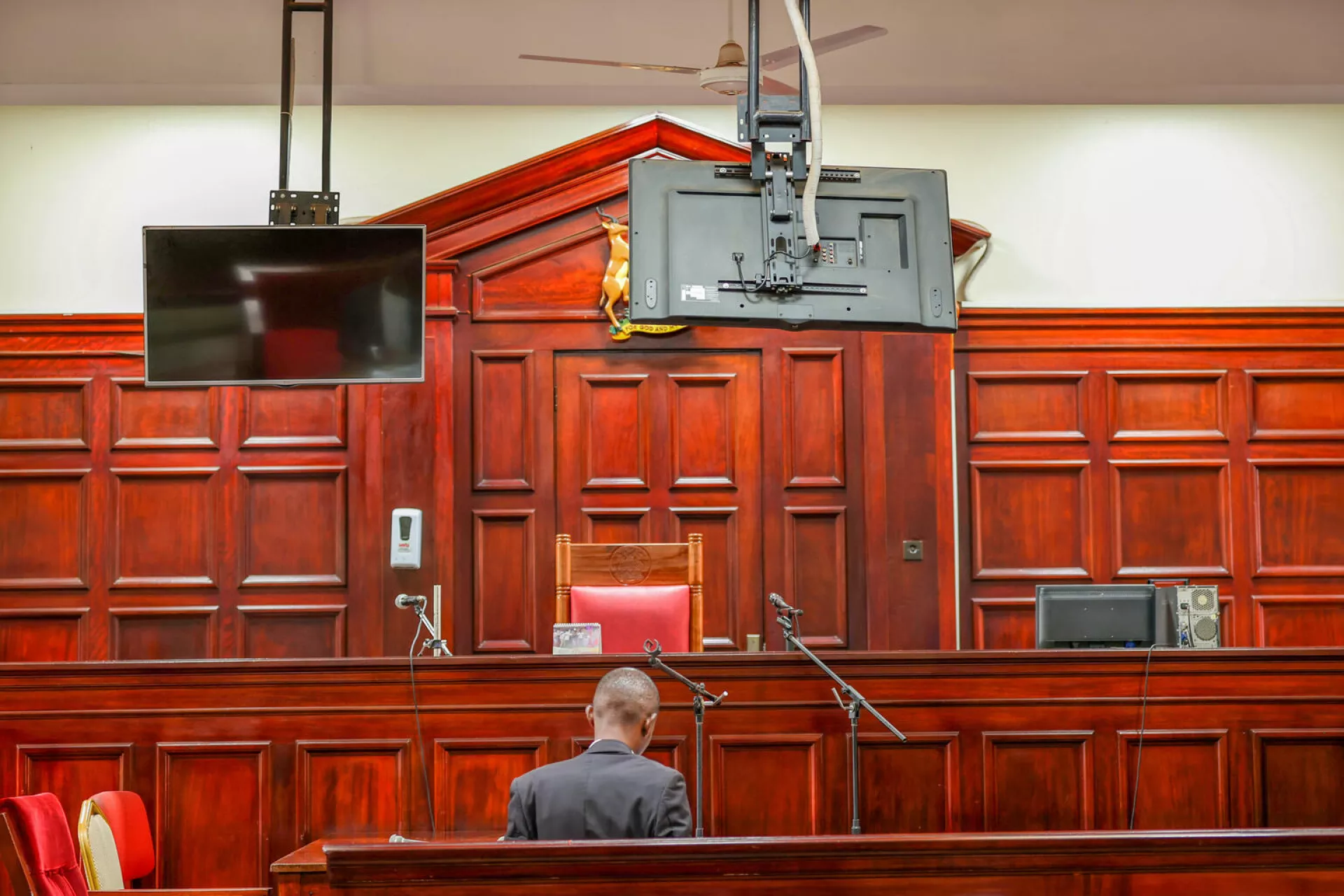
The High Court in Masaka has dismissed an election petition filed by National Unity Platform (NUP) candidate Rose Naluboowa, officially upholding the declaration of Justine Nameere as the Masaka City Woman Member of Parliament.
While delivering his verdict, Justice Bernard Namanya acknowledged that the initial vote recount had violated electoral laws due to compromised electoral materials. However, the judge ruled that Naluboowa failed to demonstrate that the certified figures provided by the Chief Magistrate were incorrect.
“The petitioner further failed to prove that the exclusion of 1,353 actual votes cast by the electorate affected the election result in a substantial manner,” Justice Namanya stated.
Consequently, the challenge against the election outcome was dismissed, allowing Nameere’s parliamentary results to stand.
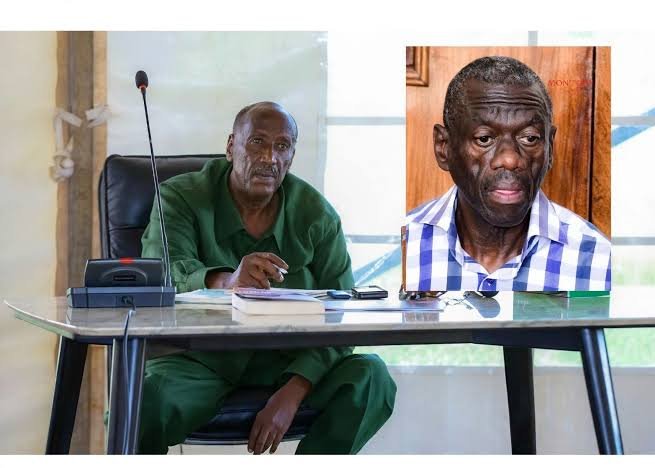
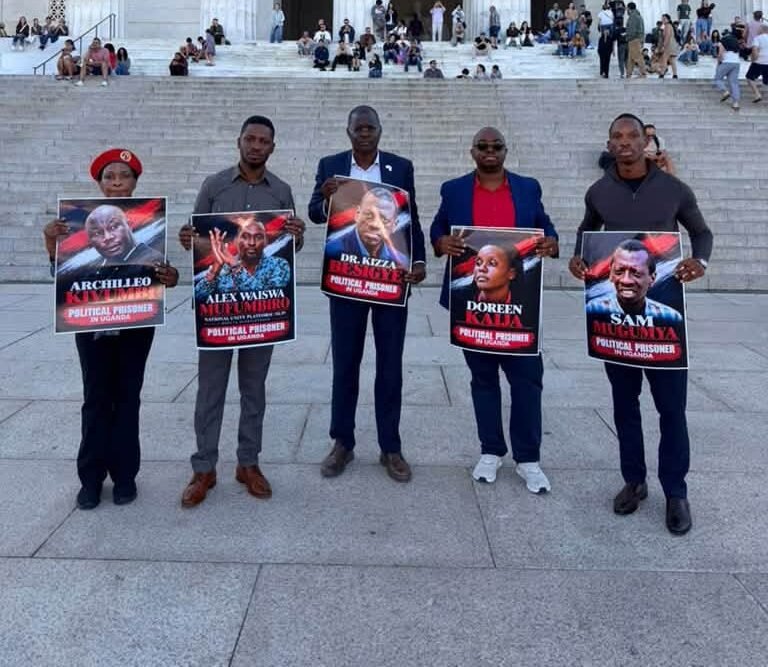
Dusman Okee, the official spokesperson for Gen. Caleb Akandwanaho, popularly known as Gen. Salim Saleh, has clarified reports that the senior presidential adviser on defence and security directed a committee to negotiate the release of former Forum for Democratic Change (FDC) president, Rtd Col. Dr Kizza Besigye, from prison.
Okee said the group reportedly tasked with handling the matter is not a formal negotiation committee but a think tank examining how to approach Besigye’s case, alongside other issues.
He added that Saleh’s primary concern was the health of Besigye, whom he described as a longtime comrade with whom the general shares a deep bond forged during Uganda’s bush war.
The Weekend Vision, in its October 10–11, 2026 edition, reported that a committee had been established to negotiate Besigye’s release from detention.
However, Okee said the discussions should be understood in the context of the relationship between the two former bush-war comrades and their shared history.
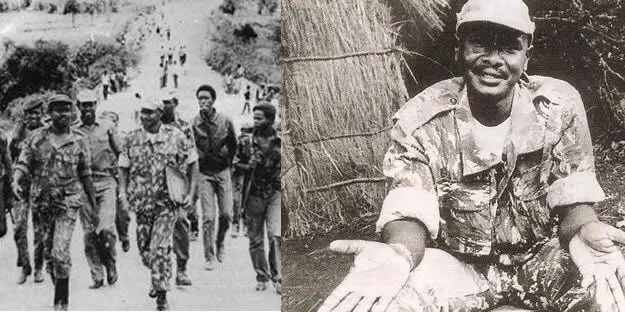
“And, of course, Gen. Saleh’s cardinal concern is his comrade’s health. Besigye is a doctor believed to have saved his life during the bush war when he was shot and seriously wounded in 1983 at Bukalabi in Luwero, in one of the battles there,” Okee said.
He added that political disagreements had not erased the bond between the two men, who fought alongside other comrades during the struggle that brought the National Resistance Movement (NRM) to power.
“Let me make it clear. No matter what divisions arise among these war comrades, they are still bound by blood and the blood of their comrades, plus the lives sacrificed to liberate this country,” Okee said.
Okee noted that the case had attracted considerable public attention, prompting scholar Abuba Senjongoji to write a paper titled The Man Who Treated My Wounds for strategic discussion.
According to Okee, the paper examines the dilemma that arises when former comrades become political adversaries and whether their shared history can provide a basis for reconciliation without undermining the law.
“This paper raises the question on what happens when former comrades become political adversaries, and whether the memory of shared sacrifice can provide a moral foundation for moving forward without displacing the law,” he said.
Okee also described the emotional bond between Saleh and Besigye, saying the two share a song that reminds them of their shared experiences and sacrifices.
He cited lyrics expressing solidarity, unity and a connection forged through blood and fire, adding that the song helps the two men maintain their bond despite their political differences.
The song’s message, he said, is that the former comrades remain connected by the experiences they went through during the liberation struggle.
Besigye receiving treatment in Lubowa
Meanwhile, Besigye is reportedly receiving medical treatment at a specialised health facility in Lubowa, a Kampala suburb, while remaining in the custody of the Uganda Prisons Service.
A senior Uganda Prisons Service official, who requested anonymity because of the sensitivity of the matter, confirmed that Besigye was receiving treatment outside Luzira Prison.
A source quoted by the New Vision newspaper said the treatment was being conducted with the full authorisation and cooperation of the Prisons Service.
The source said Besigye was responding well to treatment and that doctors had allowed him to receive a limited number of visitors of his choice as he continued recovering.
“Yes, he is doing so well, and he is able to communicate on what he wants and who he wants to see. But of course, in consultation with a team of specialised doctors who have been attending to him over time,” the source said.
The New Vision reported the development in its Wednesday, October 14, 2026 edition.
Muhoozi links Saleh to Besigye matter
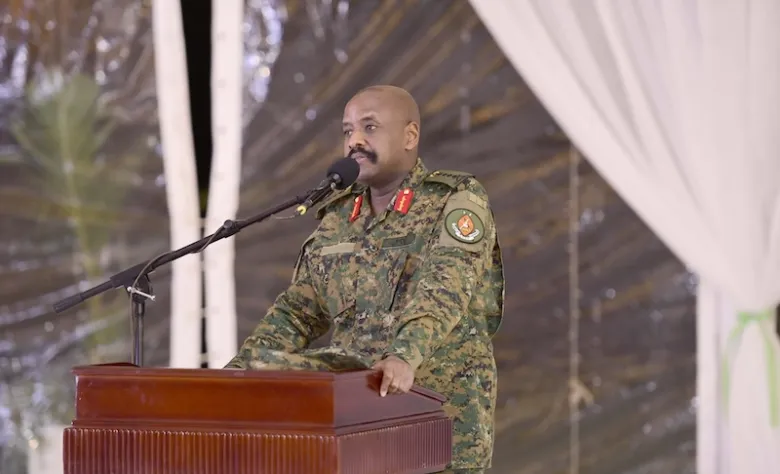
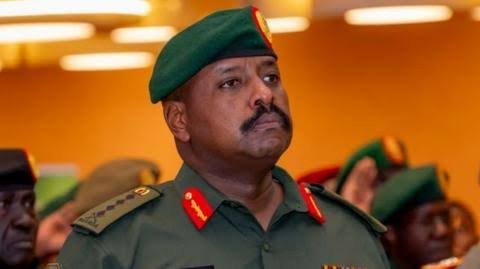
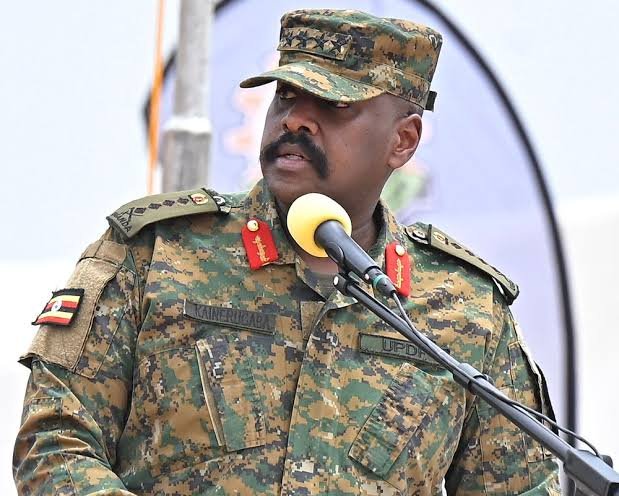
Reports about possible efforts to secure Besigye’s release through negotiations gained momentum after the Chief of Defence Forces, Gen. Muhoozi Kainerugaba, said in a social media post on August 25, 2026, that Saleh had been entrusted with handling the matter.
“Dr KB (Kizza Besigye) will be handled by Afande Saleh. If he wants forgiveness, he should talk to Afande Saleh. Mzee (President Yoweri Museveni), has given Afande SS (Salim Saleh) those powers,” Kainerugaba said.
The statement fuelled speculation about whether Saleh had been authorised to pursue a negotiated resolution to Besigye’s case.
However, Okee’s clarification indicates that the group involved is a think tank considering possible approaches to the matter, rather than a formally constituted committee specifically mandated to negotiate Besigye’s release.
Besigye’s treason case
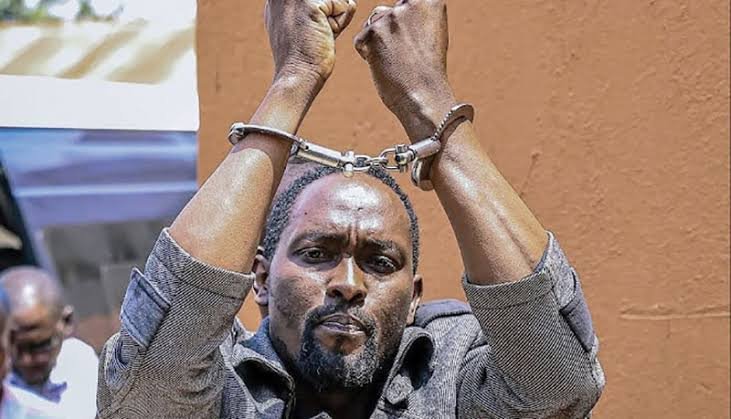
Besigye was arrested in Nairobi, Kenya, on November 16, 2024, and subsequently transferred to Uganda.
He was charged with treason alongside his aide, Obeid Lutale, and Uganda People’s Defence Forces (UPDF) Captain Denis Oola.
His lawyer and former Kampala Lord Mayor, Erias Lukwago, was later arrested and charged with misprision of treason.
Besigye’s case has attracted widespread public attention, with questions raised about his detention, health and the possibility of a resolution.
Okee’s remarks highlight the personal and historical ties between Saleh and Besigye, while also raising the broader question of whether relationships forged during the liberation struggle can help address political differences within the framework of the law.
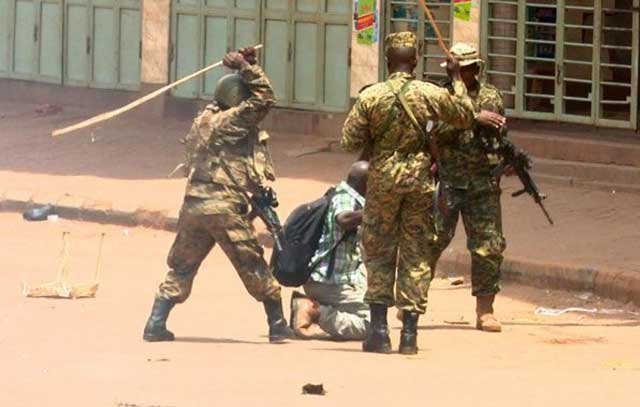
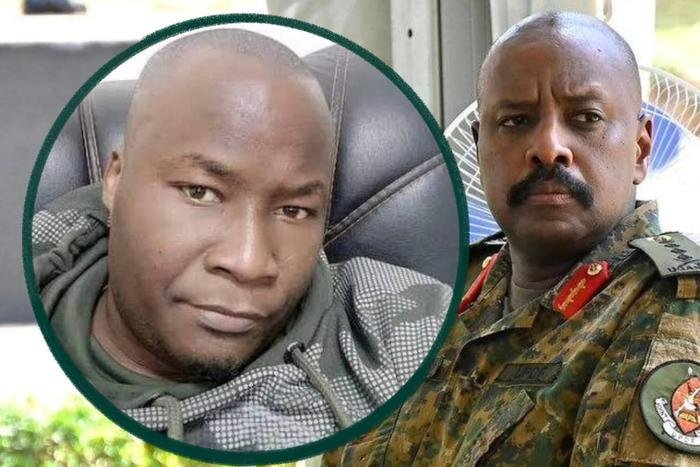
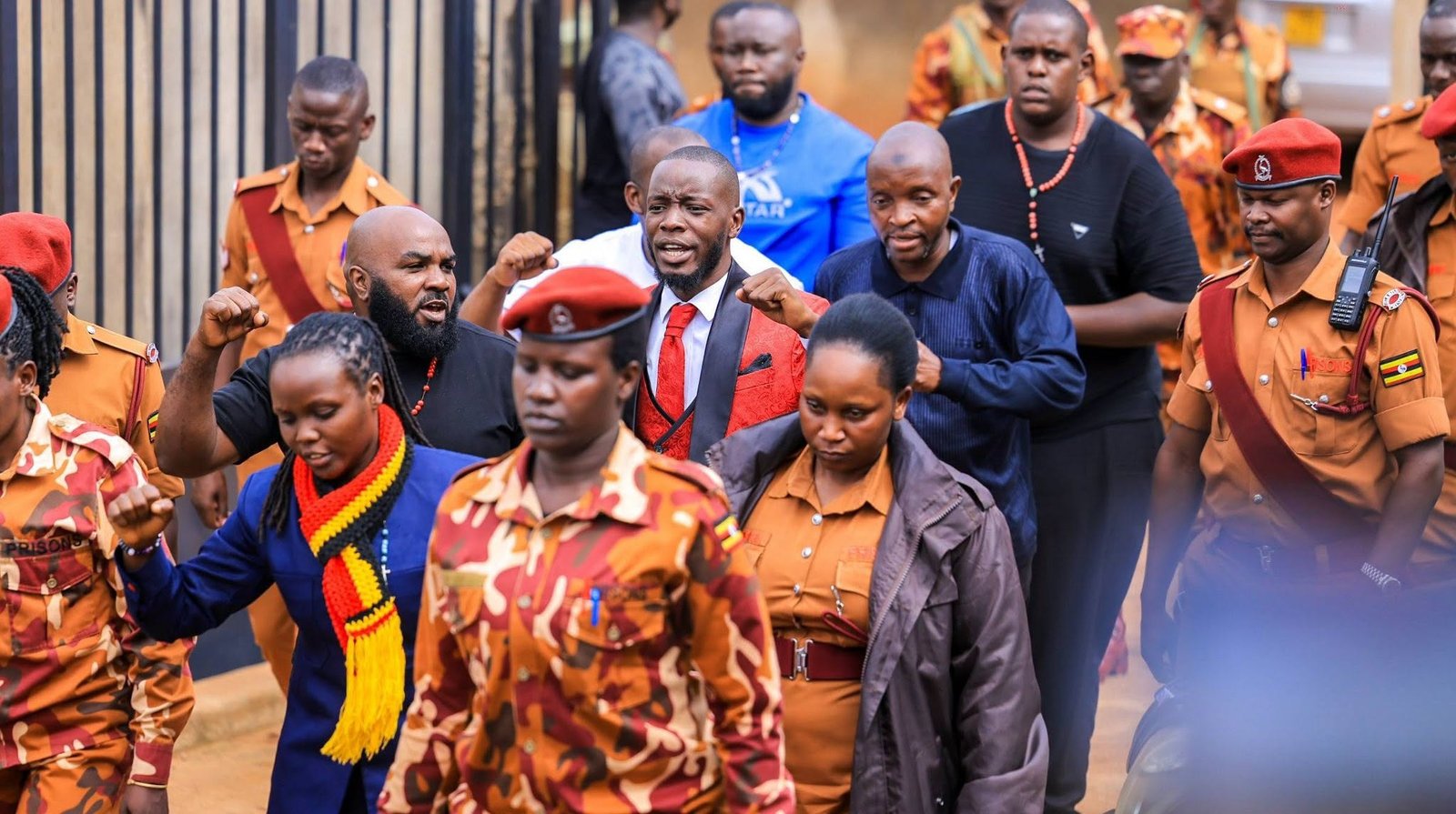
Residents of Mbeya Island in Mukono District have protested the release on bail of Jackson Ssebitosi, also known as “Big Pig,” whom they accuse of involvement in a series of violent crimes on the island.
Ssebitosi was recently arrested on a court order after allegedly failing to attend court proceedings in a case in which he is jointly charged with Yasin Kasirye and others with attempted murder and robbery.
After spending about two weeks on remand, Ssebitosi was released from Kauga Prison on Thursday on bail pending the hearing of the case on October 7, 2026, before the Chief Magistrate’s Court in Mukono.
His release has sparked protests on Mbeya Island, with residents expressing fear over the possible return of Ssebitosi and Kasirye.
They have asked security authorities to prevent the two men from returning to the island, describing them as unruly residents and accusing them of being linked to violence in the community.
The duo is charged under court file number 1324/2023 in connection with the alleged assault of Fredrick Namara Karuhanga in March 2023.
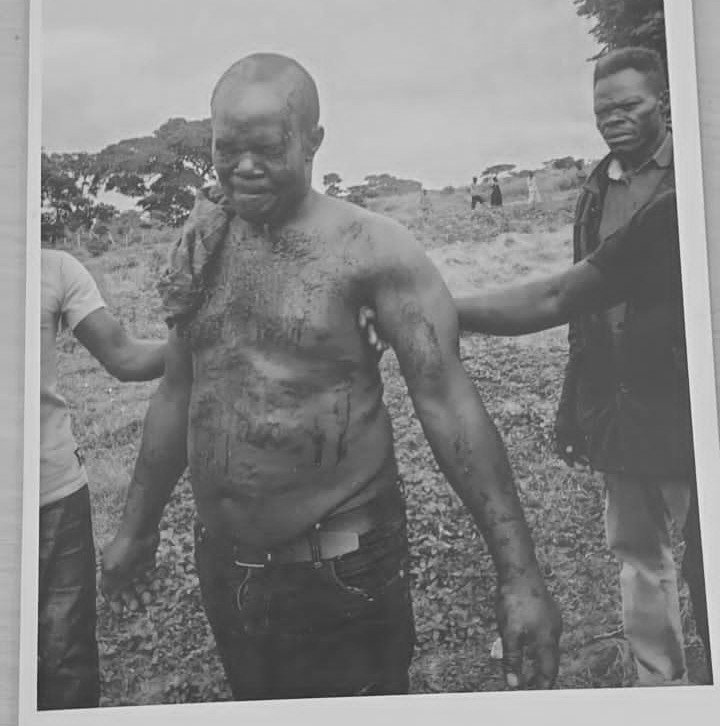
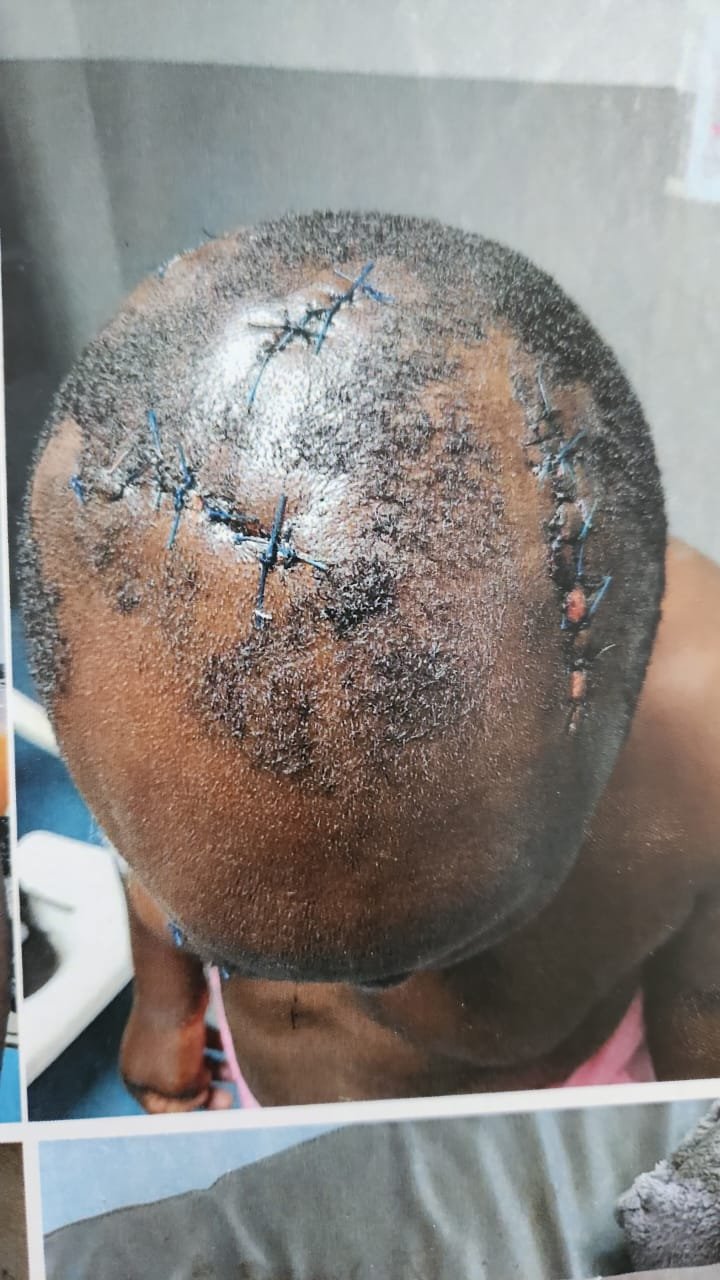
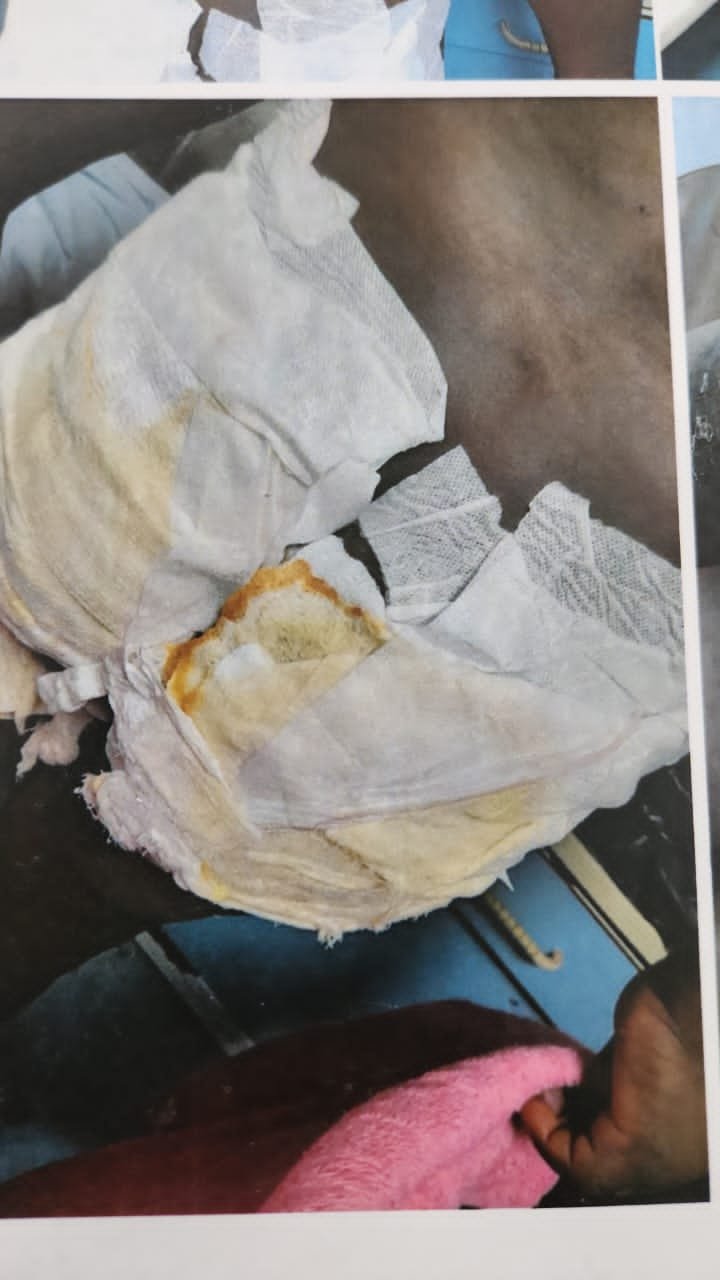
Namara was allegedly brutally beaten, burnt and left unconscious near the shores of Lake Victoria in an attack that nearly claimed his life.
Court documents and testimonies from residents indicate that Namara was abandoned at the lakeshore after sustaining severe injuries.
Marine officers rescued him and rushed him to hospital, where he reportedly remained in a coma for several days before regaining consciousness.
The case is not the first in which Ssebitosi and Kasirye have been accused of involvement in serious crime on the island.
They were previously arrested alongside several others over the alleged murder of Fred Ntambi, who was attacked and tortured while fishing on Lake Victoria on March 22, 2023.
Ntambi was found by Good Samaritans lying helpless in a pool of blood along the lakeshore with life-threatening injuries. He was rushed to St Bernard Clinic in Katosi, where he later died.
Those arrested in connection with Ntambi’s death included Ssebitosi, who was then 28, Bernard Mateke, 36, Abdul Ssempiira, the then Mbeya LC1 vice chairperson, Yasin Kasirye, the Mbeya LC1 secretary, Richard Ngoobi, Annet Amuron, Sanyu Digonda and Abdul Mugisha.
Ssebitosi reportedly admitted beating Ntambi, claiming that he had suspected him of stealing fishing nets, but denied intentionally killing him.
The suspects were later granted bail after Florence Namujju, Ntambi’s sister and a key prosecution witness, declined to continue attending court sessions.
Residents now allege that despite the arrests and accusations of violence against members of the community, Ssebitosi and other suspects have continued to enjoy protection from influential individuals, particularly Major Mark Wanyama, a UPDF officer who is also at the centre of a long-running land dispute on the island.
Residents claim that Wanyama has repeatedly intervened to secure the freedom of the suspects.
On February 10 this year, Wanyama, working with police, allegedly caused Namara to be arrested at a time when the case arising from his assault was due to come before court.
Namara was reportedly linked to the destruction of property on Mbeya Island under police file number CRB 442/2023. However, the suspects in that case were headed by Juma Mukwana and others.
Residents and documents cited in the dispute indicate that Namara had never recorded a statement in the CRB 442/2023 case and had not interacted with police over the alleged offence. The file had reportedly been sanctioned twice before.
Namara’s arrest therefore raised questions among residents, particularly because it occurred as the case in which he was the alleged victim was progressing through court.
Court documents and testimonies from Mbeya residents state that Namara was attacked and beaten nearly to death by individuals allegedly associated with Wanyama’s camp.
In a televised interview, Wanyama reportedly admitted ordering the fracas during which Namara was assaulted.
Community members claim Namara’s case is not an isolated incident. They allege that several residents have suffered violence but have remained silent because of fear since Wanyama began claiming ownership of land on the island.
At the centre of the tensions is a seven-acre piece of land described as Kyaggwe Block 494, Plot 9, on Mbeya Island.
Documents indicate that the land was purchased on November 6, 2019, by businessman Jackson Twinamasiko from Francis Tyaba, a Ugandan residing in the United States who had granted power of attorney to Joyce Lutaaya.
The transaction was valued at Shs70 million.
Twinamasiko later alleged that Lutaaya sold the same land to Major Wanyama, triggering a dispute over ownership and occupation.
Twinamasiko subsequently petitioned the UPDF and the President, alleging that Wanyama and armed soldiers had forcibly occupied the disputed land.
Investigations by the Chieftaincy of Military Intelligence and the Special Investigations Bureau reportedly found Wanyama and other soldiers culpable in connection with the allegations. The matter is currently before the UPDF Human Rights Department.
An interim court order was subsequently issued restraining interference with the disputed property pending the final determination of the civil suit.
On October 21, 2022, the Office of the Inspector General of Police instructed authorities to enforce the court order. Despite resistance, the order was eventually implemented in January 2024.
The civil dispute over the land remains pending before court.
Meanwhile, residents say the combination of the land dispute, allegations of violence and the release of suspects accused in serious criminal cases has heightened insecurity on the island.
They are calling on security agencies and the courts to ensure that the criminal and civil proceedings are allowed to proceed without intimidation, while witnesses and residents are protected from possible retaliation.
The allegations against Ssebitosi, Kasirye, Wanyama and the other individuals mentioned in the disputes have not been finally determined by court
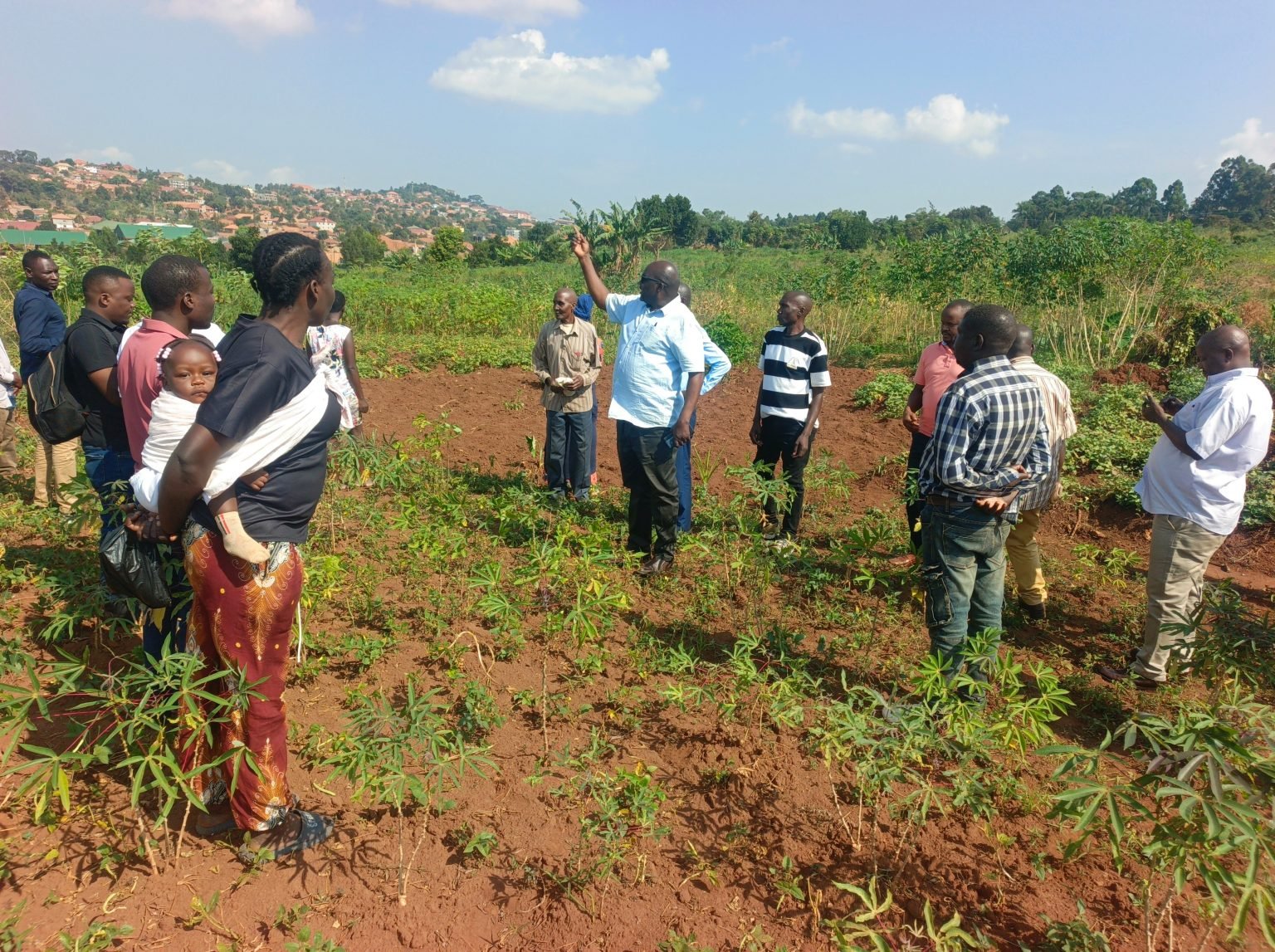
Furious sugarcane farmers in Namayingo District have confronted members of the Sugar Council, demanding answers over the prolonged failure to grant CN Sugar Company a licence despite a clear presidential directive.
The farmers, who had gathered at the stalled factory site in Kifuyo village, pinned the Sugar Council to be corrupt and always visits CN sugar pretending to help them, yet they just take advantage to just solicit money from the investors
. Construction at the site has ground to a complete halt. Machinery lies abandoned and the grounds are steadily being overtaken by bush after work began and then stopped.
The farmers accuse the Sugar Council of defying a directive issued through Prime Minister Robinah Nabbanja that ordered the body to quickly licence CN Sugar after the project had already remained stalled for three years.
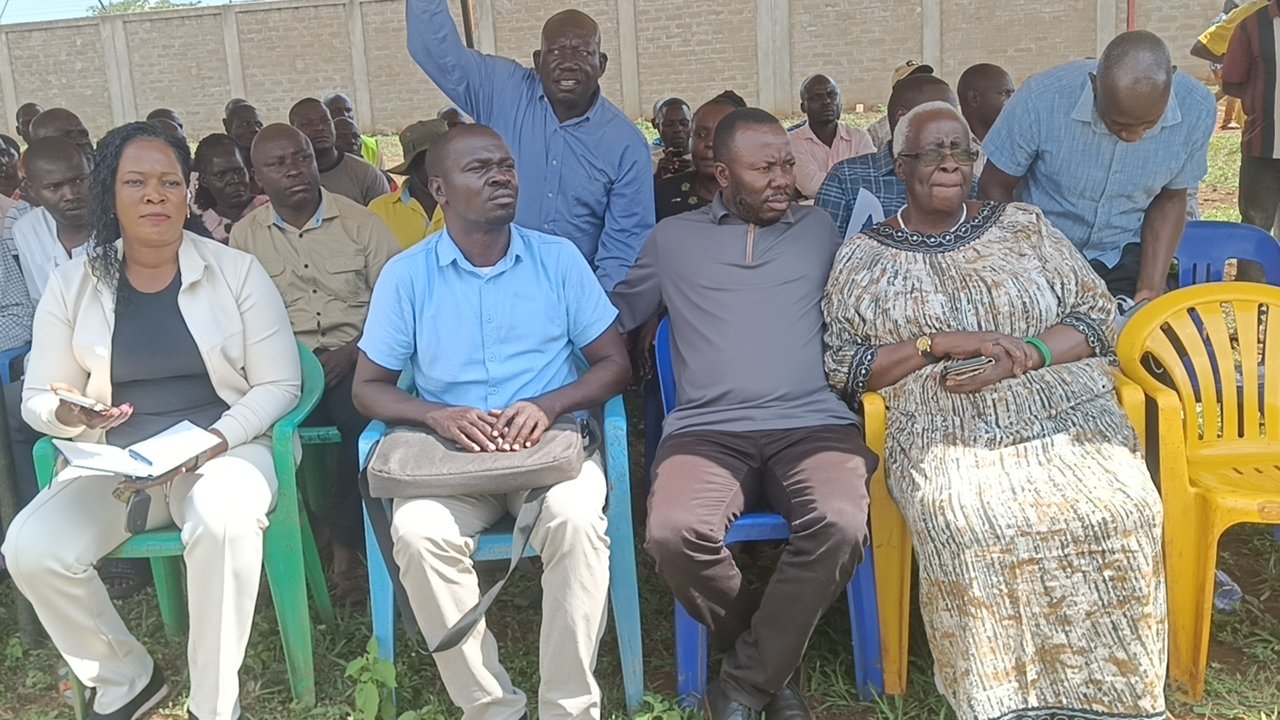
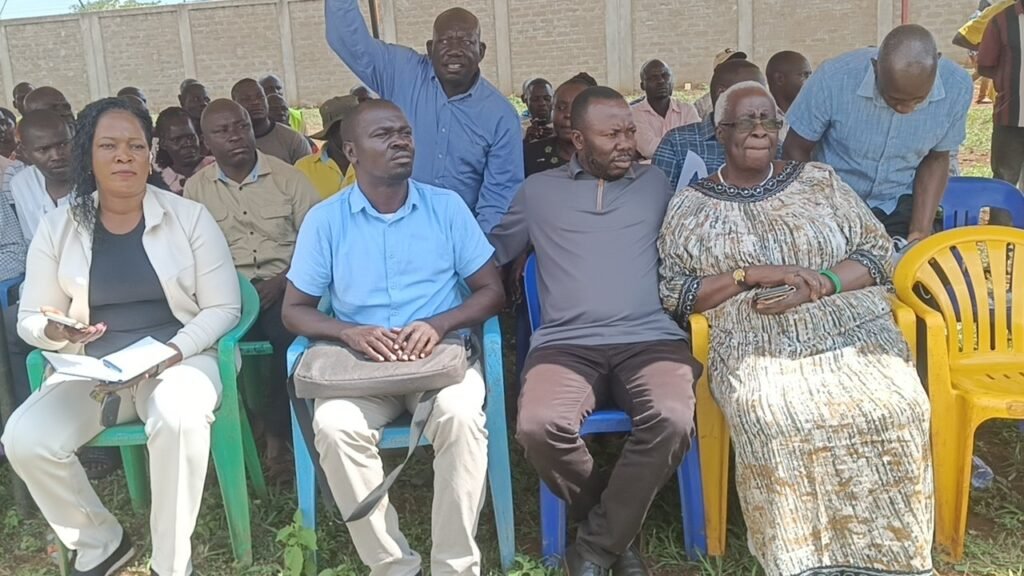
Before meeting the farmers, Sugar Council members held a closed-door session lasting about four hours. Journalists were barred from attending. Present were officials from CN Sugar, Bugiri Sugar and Kakira Sugar, the District Police Commander, Resident District Commissioner, Officer in Charge of police, Namayingo District Chairperson Ronald Sanya and his council, farmers’ leaders, and a Ministry of Trade and Industry team led by Kiiza David, who represented the Minister.
The meeting was chaired by Robert Atugonza, who represented the Sugar Council chairperson.
When the officials finally emerged, farmers including Deo Disiko and Idah Kigada described the hardships they face. They spoke of middlemen buying their cane at throwaway prices and the heavy losses that follow.
The LC1 chairperson of Sango A village in Kifuyo parish, Buyinja Sub-county, became emotional. He accused leaders of abandoning the NRM principle of “prosperity for all,” said the community had no path to development while the factory remained idle. He listed expected benefits of an operational factory, including reduced unemployment and higher local revenue.
Chairpersons of several sub-counties in neighbouring Mayuge District, among them Bumairo, told the meeting they had invested their own money in sugarcane only to find the company they relied on still inactive. They have been forced to haul cane long distances with little benefit.
Namayingo District Chairperson Ronald Sanya issued a stern warning. He vowed that if the Sugar Council continues to withhold the licence from CN Sugar, the district will pass a resolution banning sugarcane growing in the area so that any company seeking cane will have to look elsewhere. He also cautioned other mills currently buying cane from Namayingo to stop working against CN Sugar.
Atugonza responded that the council’s visit was meant to further examine what is required for CN Sugar to begin operations. A report will be prepared and submitted in accordance with the law.
The delay, he explained, stems from objections raised by other sugar companies, particularly over land issues. He appealed to farmers not to abandon sugarcane growing.
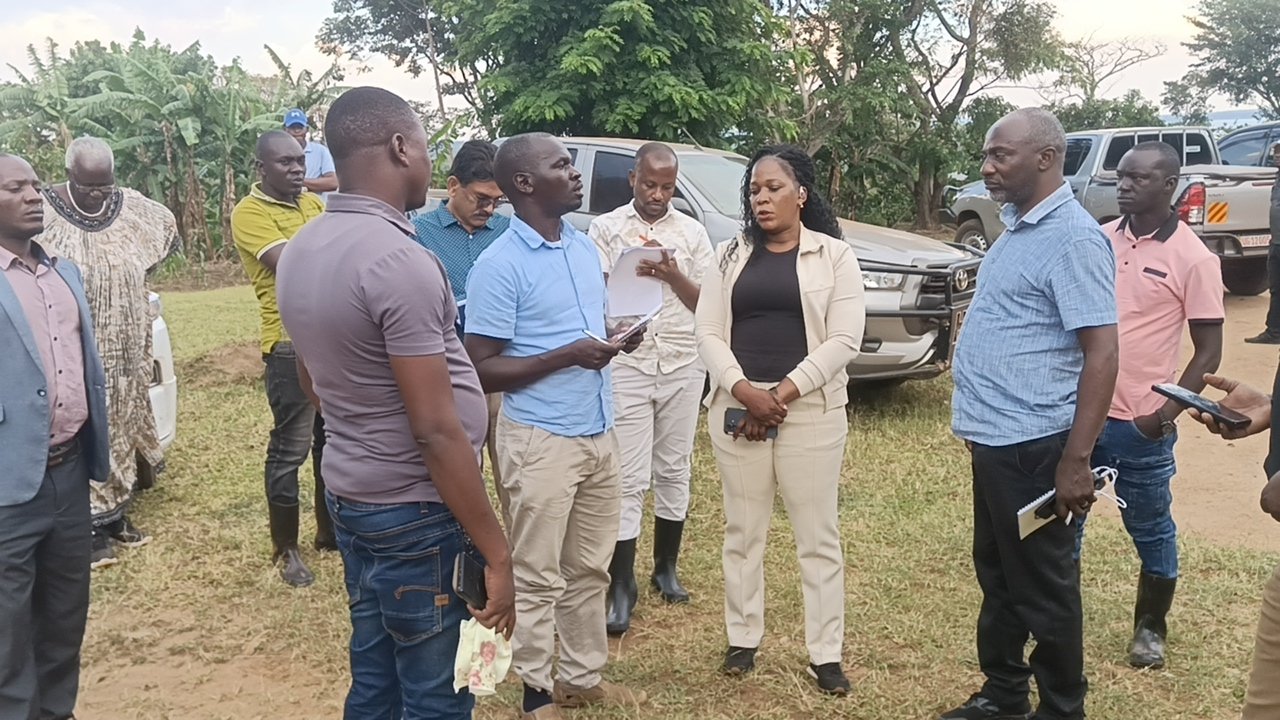
After the meeting the officials began a tour of CN Sugar’s land holdings, starting with approximately 3,000 acres in Nawampogo village, Bukabu parish, Bukaboli Sub-county in Mayuge District. Journalists were ordered to leave shortly after the tour started. Officials said their presence was not required and that they might hear confidential details that could compromises their report
The project has now been stalled for three years despite the presidential directive that the Sugar Council should move swiftly to issue the licence.