Uganda cannot vaccinate its way out of cervical cancer while women who need treatment remain beyond the reach of care.
That is the question behind the country’s promise to eliminate the disease as a public health problem by 2030: will government measure success by services announced, or by lives saved? The figures demand urgency.
According to World Health Organization estimates, about 5,164 Ugandan women develop cervical cancer annually and roughly 3,000 die. Behind those numbers are families losing mothers, daughters and livelihoods to a disease that can often be prevented or treated successfully when detected early.
There is progress. Uganda has moved to a single-dose HPV vaccination schedule for girls aged 10, making protection easier to deliver. The Ministry of Health reports first-dose coverage of 99 per cent in 2025/26, up from 97 per cent. Screening has also expanded: a 2024 study documented growth from 11 HIV clinics offering cervical screening to 1,571.
These are achievements worth defending, especially for women living with HIV, whose risk is higher. But coverage figures can conceal an accountability gap. A vaccine delivered is not proof that every eligible girl has been reached.
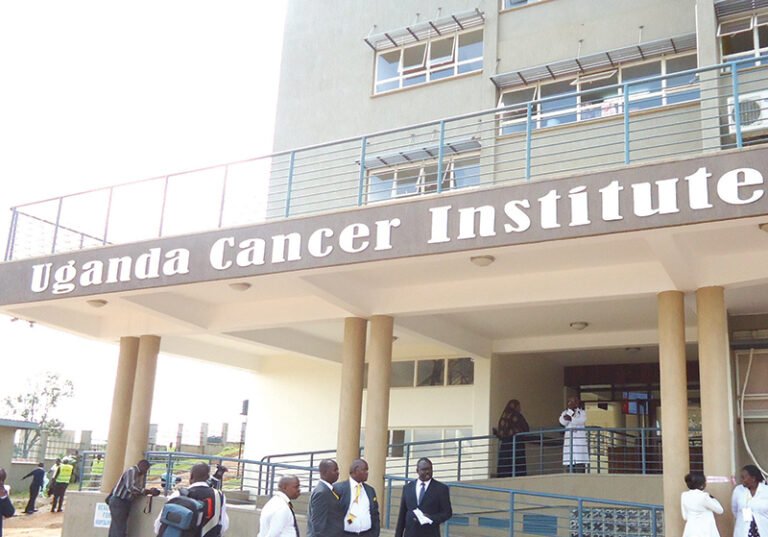
A clinic offering screening is not proof that women receive results, referrals and treatment. The real danger is celebrating access at the entrance while ignoring patients who fall out of care further along.
The World Health Organization’s 90-70- 90 targets recognize this: 90 per cent of girls vaccinated by 15, 70 per cent of women screened at the recommended ages, and 90 per cent of those diagnosed with precancer or cancer treated. Uganda must pursue all three, not selectively advertise the easiest to count.
The South Korea-supported project, valued at approximately $3 million, reportedly screened more than 35,000 women and treated over 3,000 with precancerous lesions in selected areas.
Yet the reporting period needs clarification. Such gaps make public scrutiny difficult, particularly when taxpayers and development partners must judge whether investment is working. Government should publish district-level figures showing vaccination reach, screening uptake, abnormal results, treatment completion and waiting times.
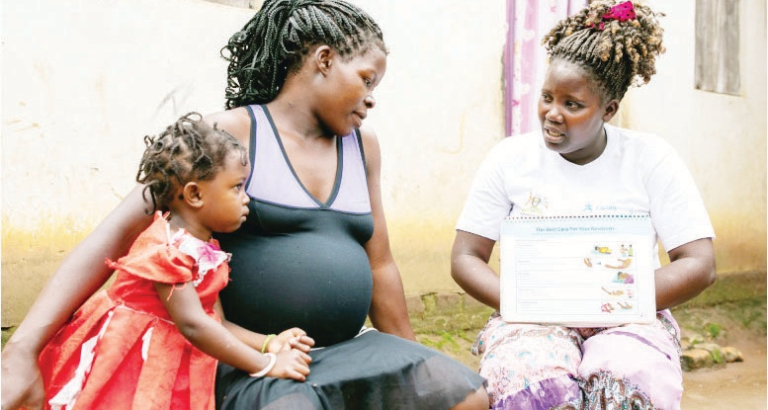
Health facilities need trained staff, functioning equipment, medicines and referral systems. Funding must support the entire patient journey, not isolated campaigns. Community outreach should explain vaccination and screening clearly, including to girls outside school and women who feel healthy.
None of this diminishes the value of partnerships or the efforts made. It insists that their results be measured where they matter most: in the lives of women who might otherwise be lost. By 2030, Uganda should be able to answer a question: when a woman is found to be at risk, does the health system stay with her until she receives care? Elimination begins with that responsibility.
Related